ARCHIVE OPEN FILE ROOM 04 · CHEYENNE MTN DTG · 261531Z JUN 26 UNCLASSIFIED · CIVILIAN ACCESS
G.I. JOE: ARMY
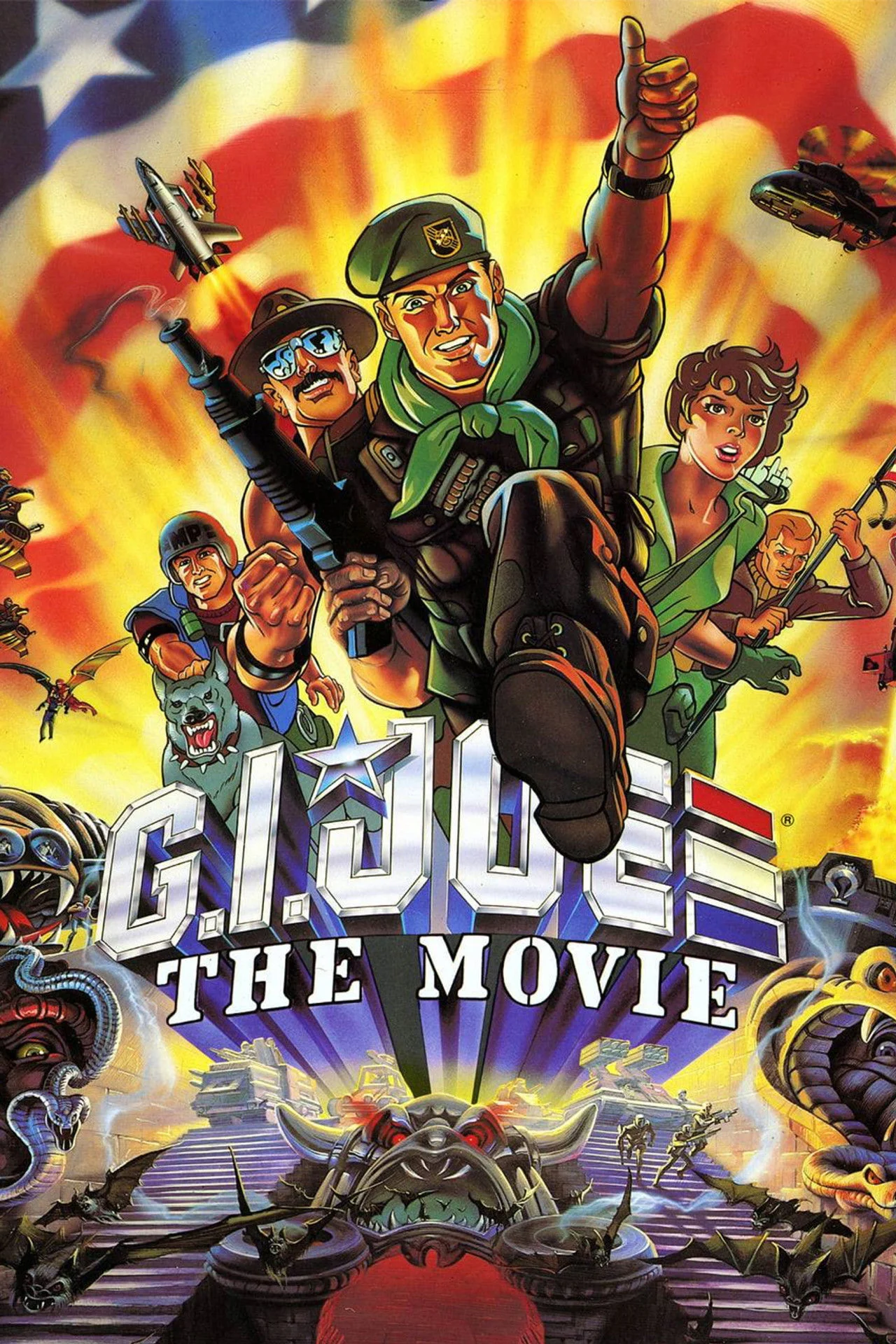
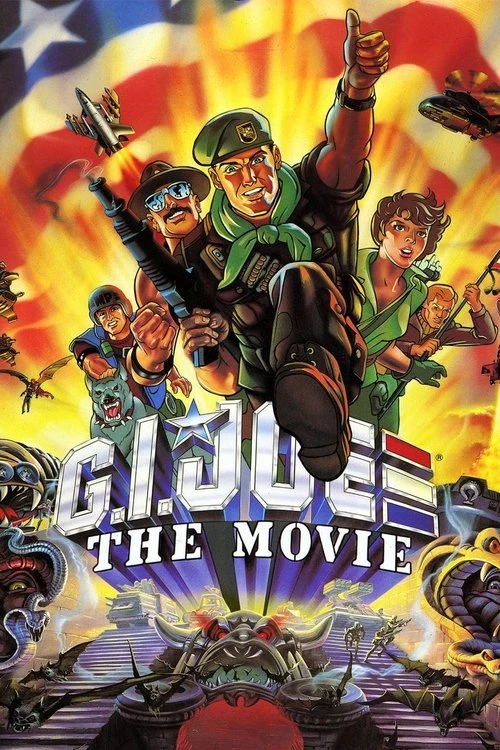
G.I. Joe: The Movie poster

ANIMATED · 1987

G.I. Joe: The Movie

The battle you never imagined.

  • DirectorDon Jurwich
  • ReleasedAugust 25, 1987
  • Runtime93 min
  • Box officeDirect-to-video (US)

The Film

The feature finale to the Sunbow cartoon: a theatrical movie bumped to video, a hero scripted to die and quietly revived, and a swing so strange it revealed Cobra had been a front for an ancient race of snake-people all along.

01

The Story

G.I. Joe: The Movie still

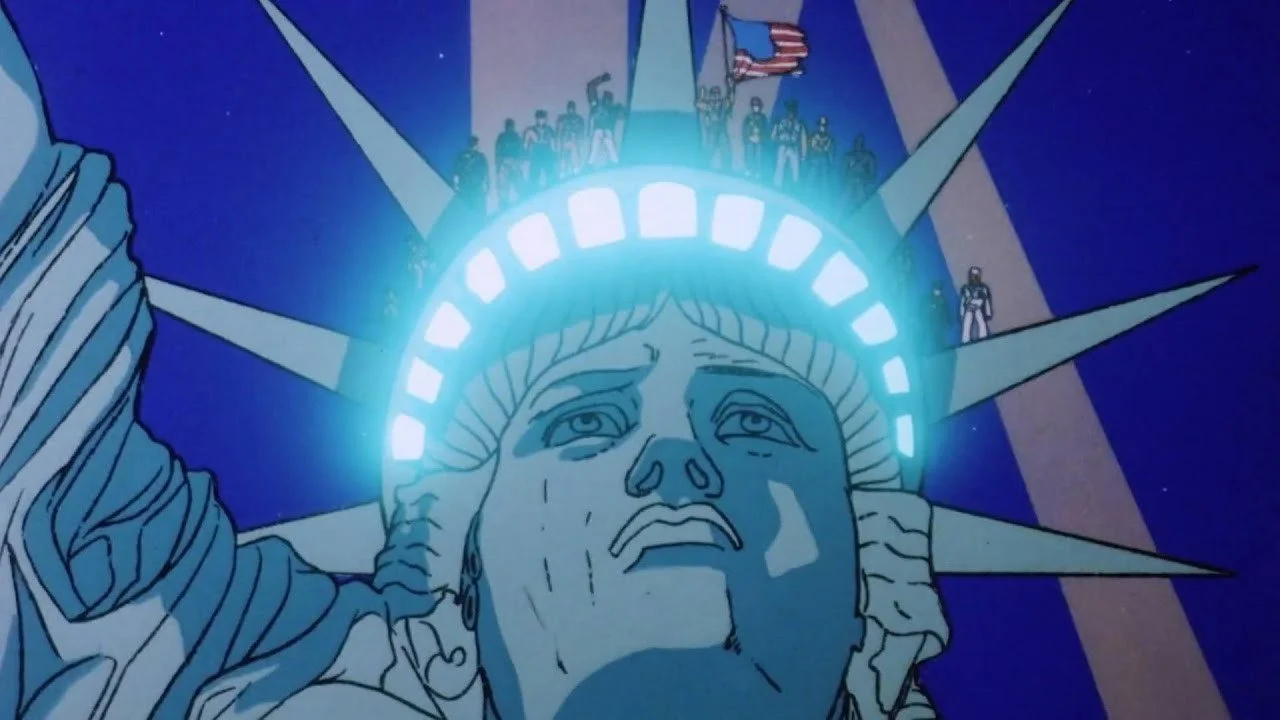
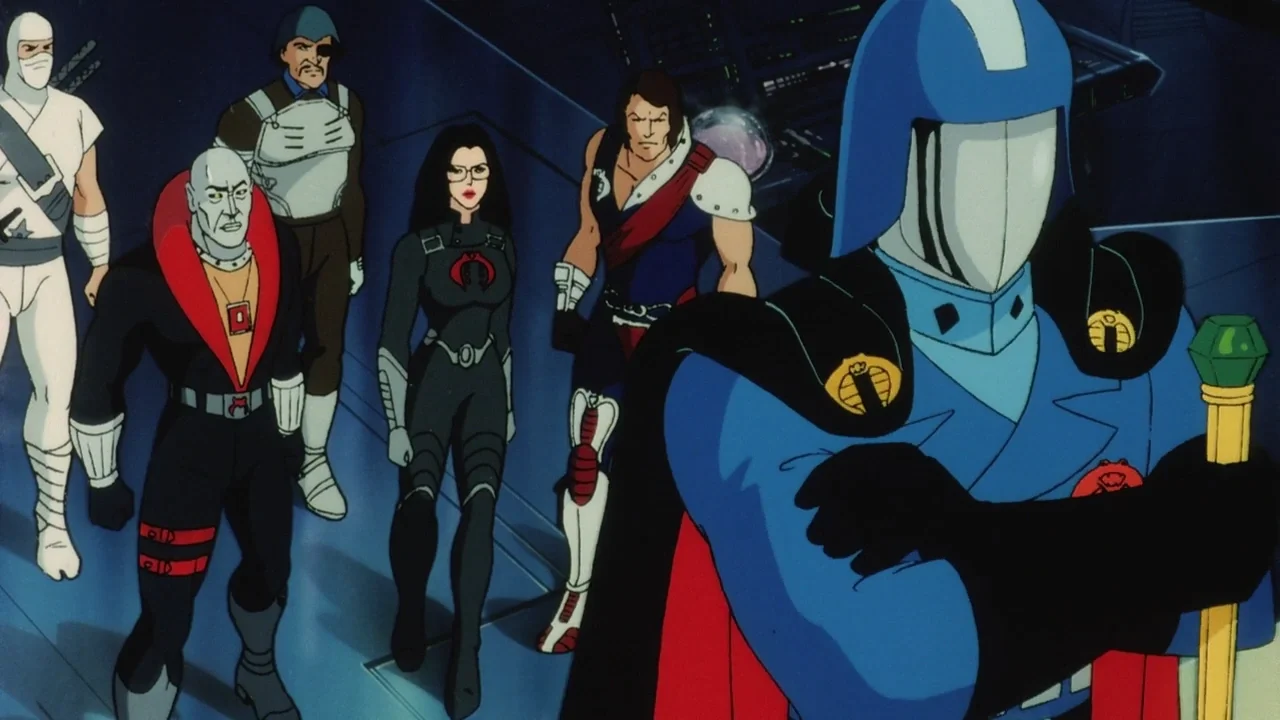
The film opens on a high: the full G.I. Joe team battling Cobra across the Statue of Liberty, the famous theme song roaring over the action. But Cobra is fracturing. The engineered emperor Serpentor now commands the organization and the deposed Cobra Commander chafes under him, each blaming the other for Cobra's failures.

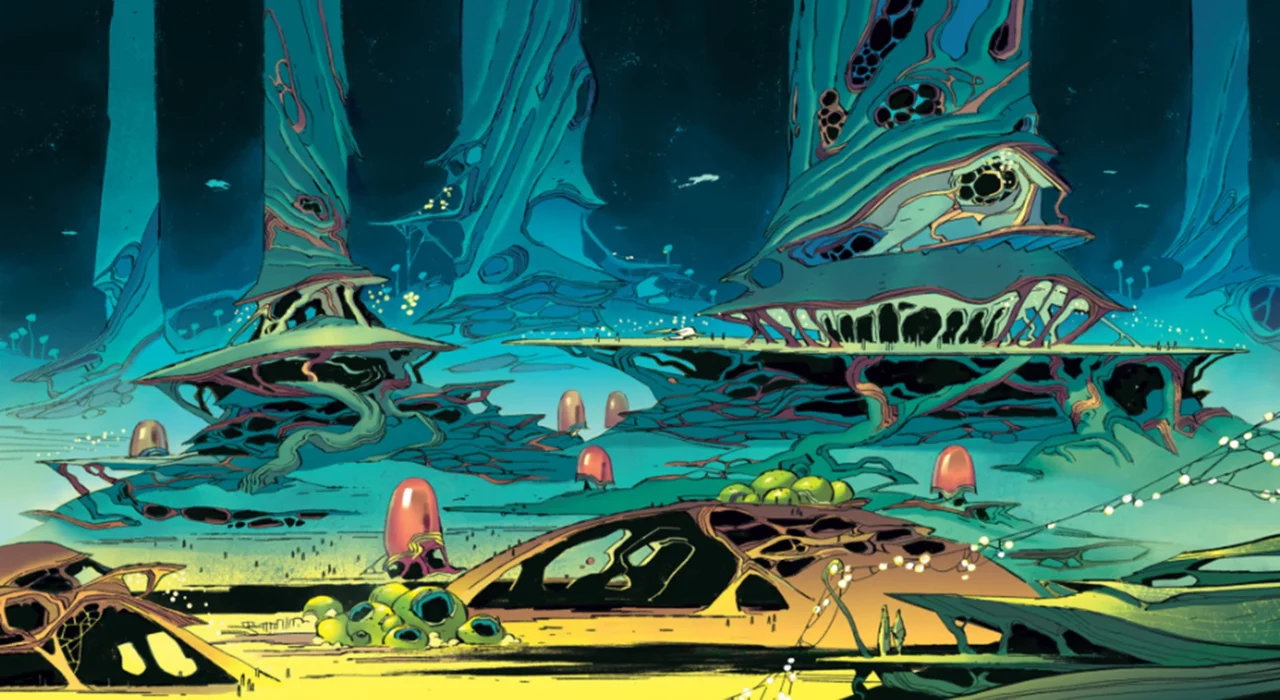
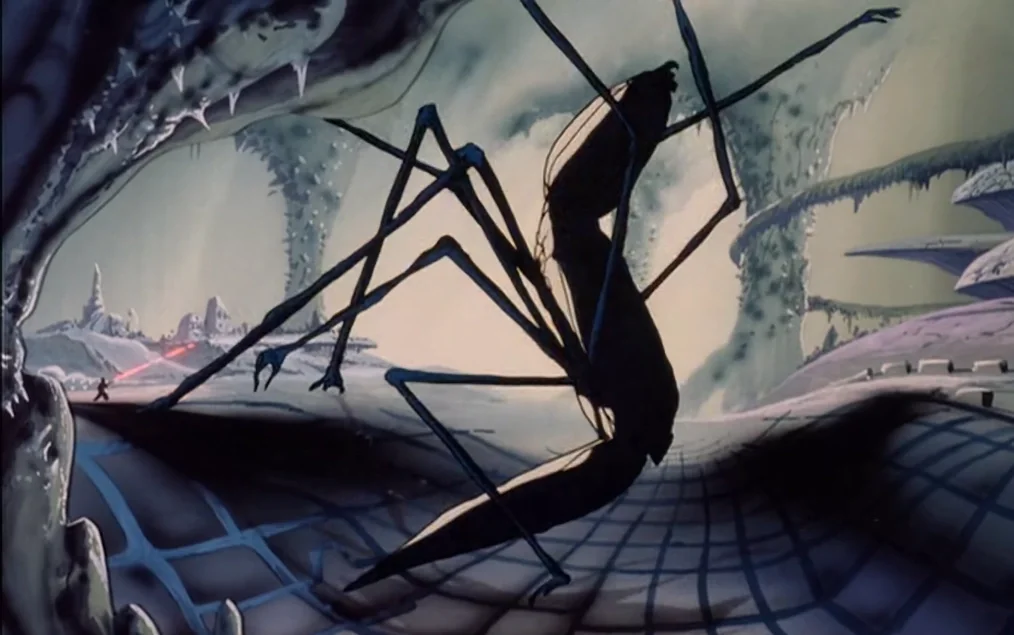
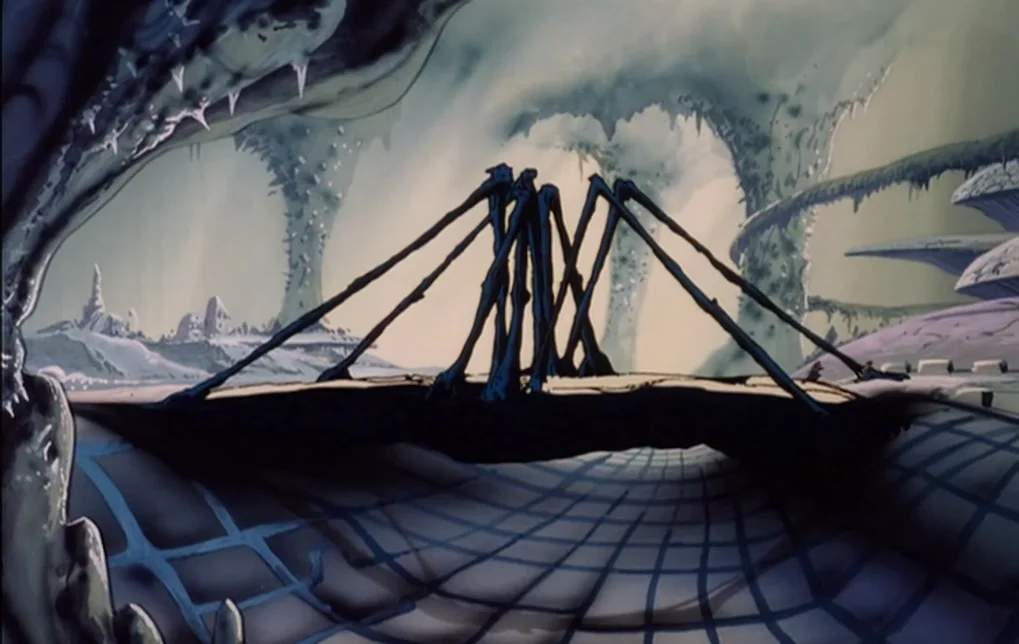
Into the Terror Drome slips Pythona, a clawed woman from a hidden civilization called Cobra-La, who reveals an ancient secret: Cobra-La engineered Serpentor's very creation, planting the idea in Doctor Mindbender's mind. She urges Cobra to seize the Joes' new super-weapon, the Broadcast Energy Transmitter, being field-tested in the Himalayas. The raid fails, Serpentor is captured, and Cobra retreats into Cobra-La, the underground city that turns out to be Cobra's true headquarters.

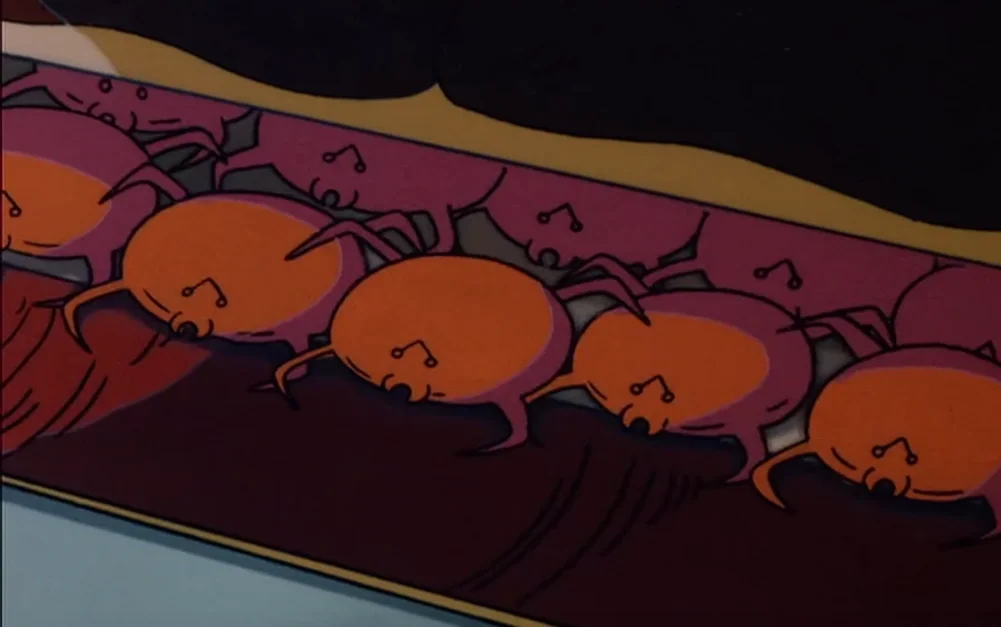
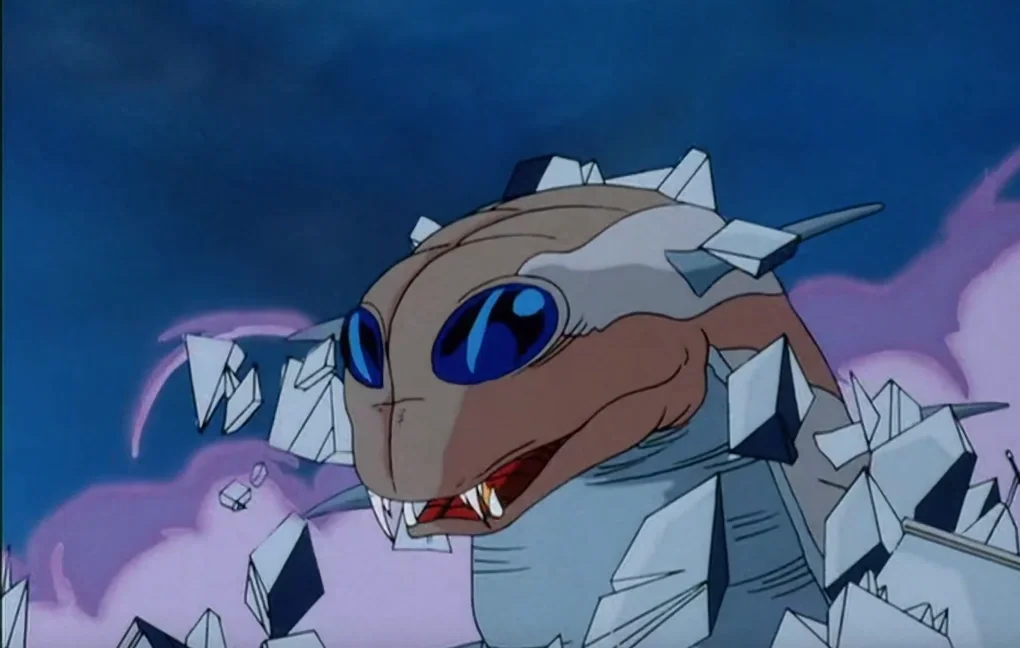
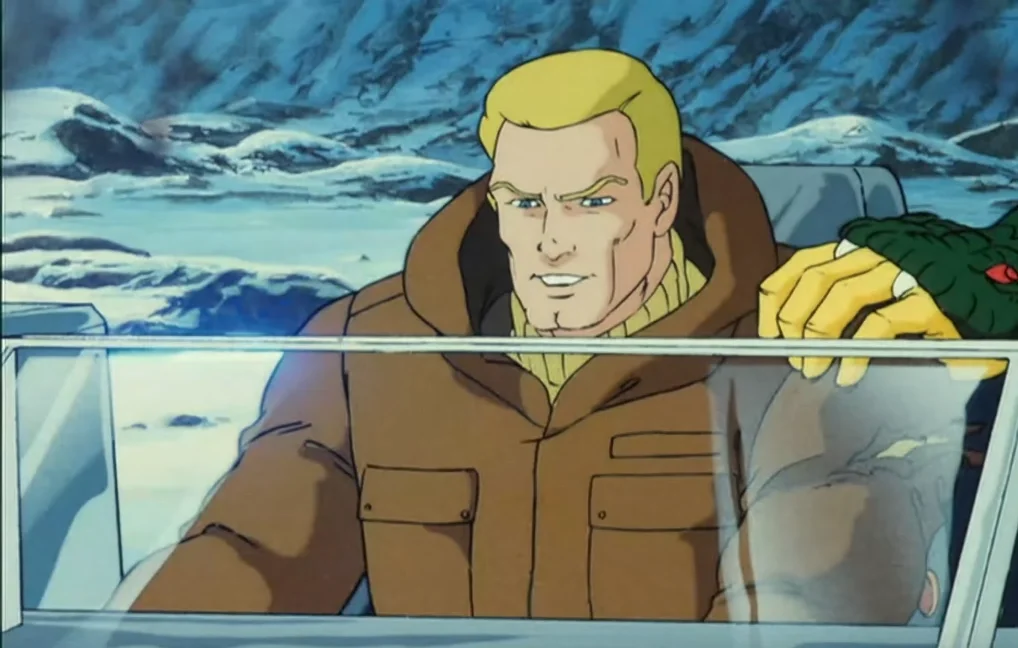
Meanwhile a class of rookie Joes arrives, among them Duke's reckless half-brother, the Green Beret Lt. Falcon, whose dereliction of duty lets the Dreadnoks free Serpentor. Inside Cobra-La, the immortal ruler Golobulus reveals the full history and punishes the failed Cobra Commander by mutating him into a snake. Cobra-La's plan is apocalyptic: launch spore pods into the upper atmosphere, then use the stolen Transmitter to ripen them and rain mutative spores down to revert all humanity into mindless beasts, clearing the Earth for Cobra-La to reclaim. Disgraced, Falcon is retrained by Sgt. Slaughter and his Renegades, and in the Himalayan climax the rookies prove themselves, Falcon destroys the spore pods in space, and Cobra-La falls as Golobulus escapes.

02

Cast and Characters

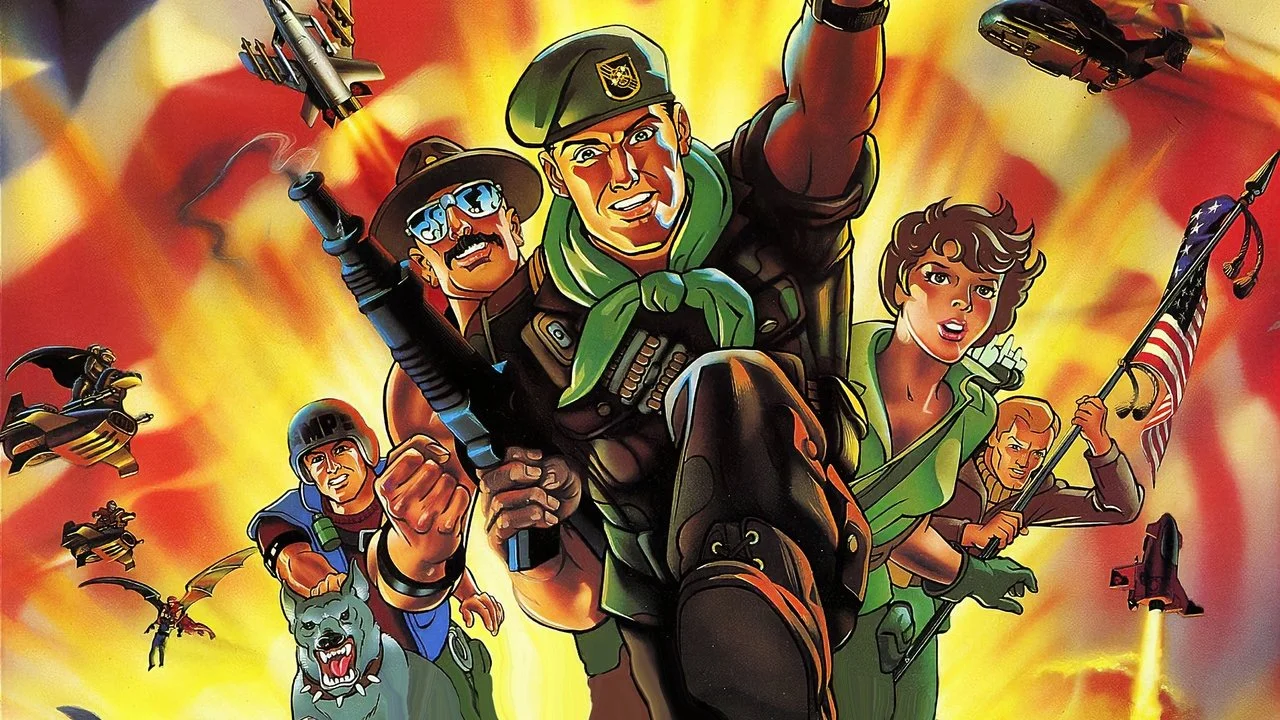
G.I. Joe

Cobra

03

Hasbro's Lost Theatrical Finale

G.I. Joe: The Movie still

G.I. Joe: The Movie was built to be a theatrical feature, the third Hasbro animated film of 1986-87 after My Little Pony: The Movie and The Transformers: The Movie. It never got there. Production delays meant Transformers reached theaters first, and when the Hasbro slate, Transformers especially, underperformed at the box office, the studio lost its nerve.

G.I. Joe was quietly rerouted direct-to-video, premiering on home video through Celebrity Home Entertainment on August 25, 1987, then sliding into TV syndication that September, first as a feature and later chopped into a five-part miniseries. In the United Kingdom it carried the title Action Force: The Movie. The same commercial caution that softened its story (see below) had already cost it the big screen.

It was produced by Sunbow Productions and Marvel Productions and animated in Japan by Toei Animation, directed by Don Jurwich from a screenplay by Ron Friedman, with the franchise's longtime story editor Buzz Dixon shaping the material behind the scenes. Decades later, Dixon would record the commentary for the 2010 Shout Factory Blu-ray, which finally gave the film a proper restoration and made its troubled history public.

04

Killing Duke, Then Saving Him

The film's most infamous behind-the-scenes story is the death of Duke. In the original script the team's field leader is run through by a snake-spear hurled by Serpentor as he pushes Falcon out of the way, and the Joes hold a funeral for him before the final battle. According to Buzz Dixon, Duke's scripted death actually came first and is credited with inspiring the death of Optimus Prime in the simultaneously-produced Transformers movie.

But Transformers reached theaters first, and Optimus Prime's on-screen death triggered a fierce backlash from children and parents. Hasbro revived Prime in the cartoon and reversed course on Duke. Crucially, the fix was a redub, not a re-animation: the visuals of Duke being run through and his teammates mourning over him were kept exactly as drawn, and only the soundtrack was changed, with new dialogue inserted to say Duke had merely fallen into a coma, and a closing line confirming he had come out of it. Dixon put it plainly: 'If you watch the visuals and don't listen to the soundtrack, it's obvious Duke dies.' The funeral scene was cut entirely.

Duke was written to die first, and that death is said to have inspired Optimus Prime's. But Transformers shipped first, took the backlash, and Hasbro redubbed Duke's death into a coma over the unchanged animation.
05

The Cobra-La Gamble

G.I. Joe: The Movie still

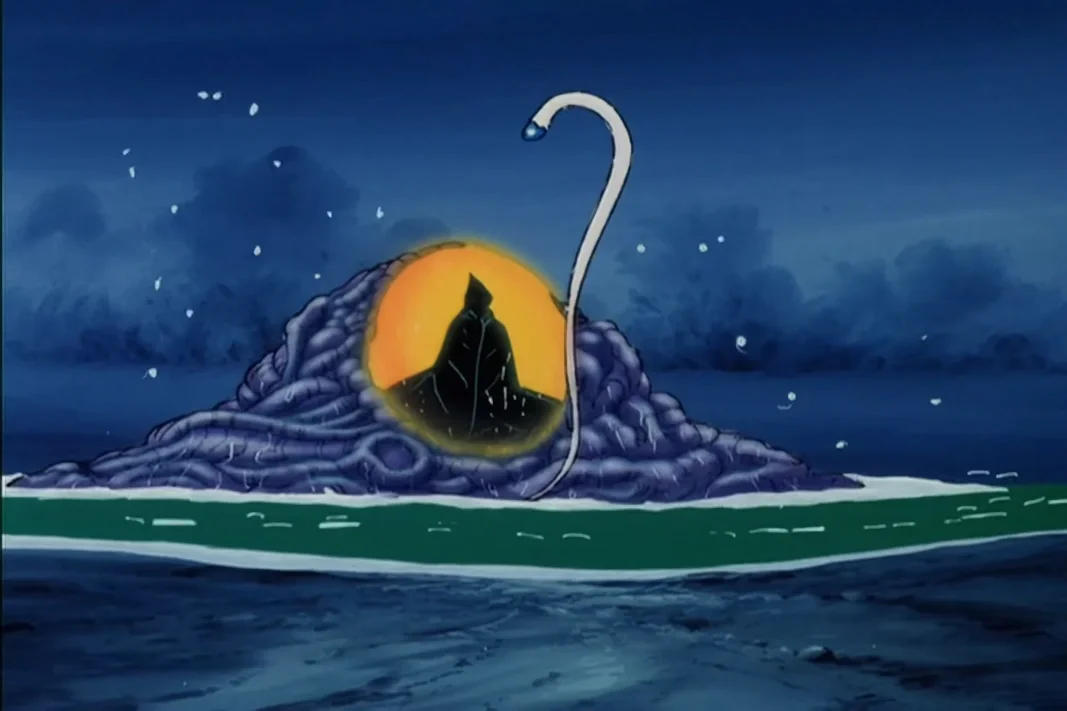
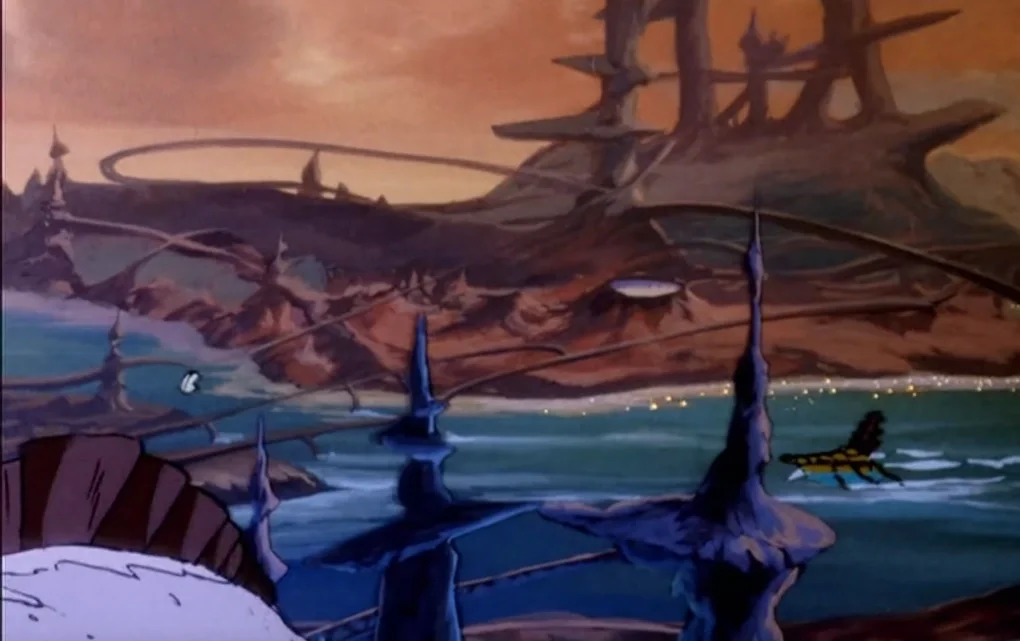
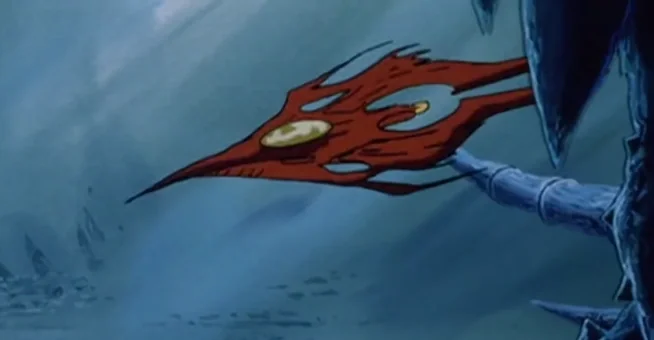
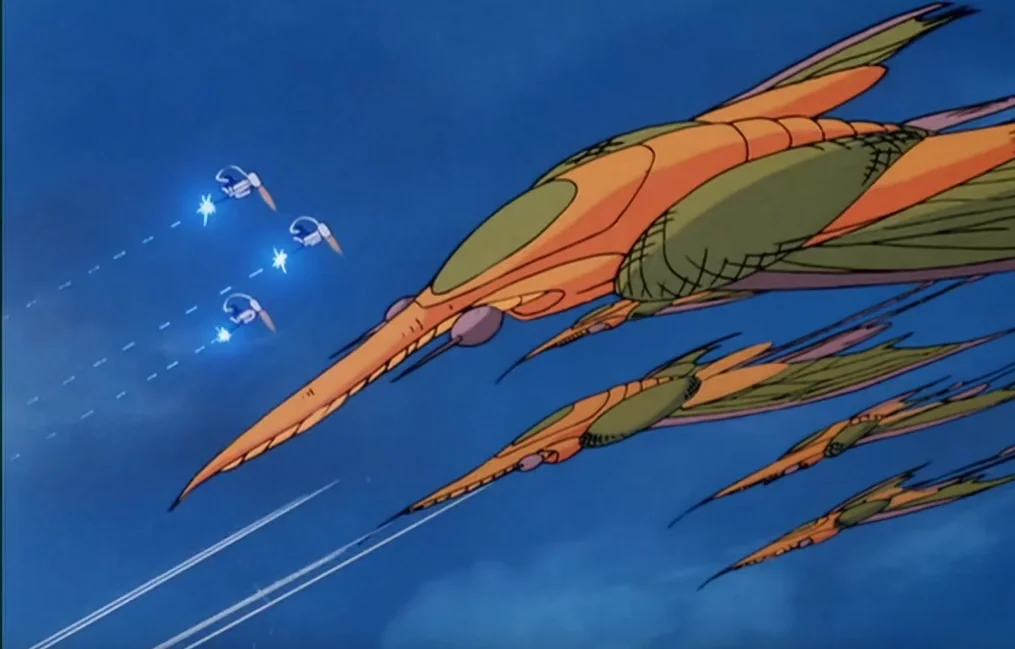
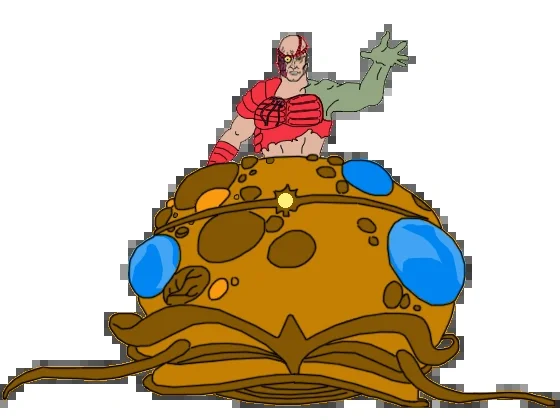
The film's other enormous swing was the revelation that Cobra had never been a mere modern terrorist organization at all. It was a front for Cobra-La, an ancient civilization of genetically engineered creatures that ruled the Earth some forty thousand years ago before being driven into the Himalayan caverns by the Ice Age and the rise of technological humanity. Its immortal, serpent-tailed ruler Golobulus has plotted to reclaim the surface ever since, and it was Golobulus who long ago recruited the nobleman who would become Cobra Commander.

It was a bold piece of mythology that retroactively rewrote the origins of both Cobra Commander and Serpentor, and fans were divided, many felt the sudden introduction of magic snake-people came out of nowhere and clashed with the grounded military-versus-terrorist premise of the series. Even the name was an accident. 'Cobra-La' was a placeholder, a riff on Shangri-La from James Hilton's 1933 novel Lost Horizon, that the writers fully intended to replace, until Hasbro executives loved it and forced them to keep it. The film's credits even list Lost Horizon as an inspiration.

Cobra was secretly a front for Cobra-La, an ancient race of snake-people. The name was a placeholder riffing on Shangri-La that the writers meant to change, until Hasbro loved it and made them keep it.
06

I Was Once a Man

G.I. Joe: The Movie still

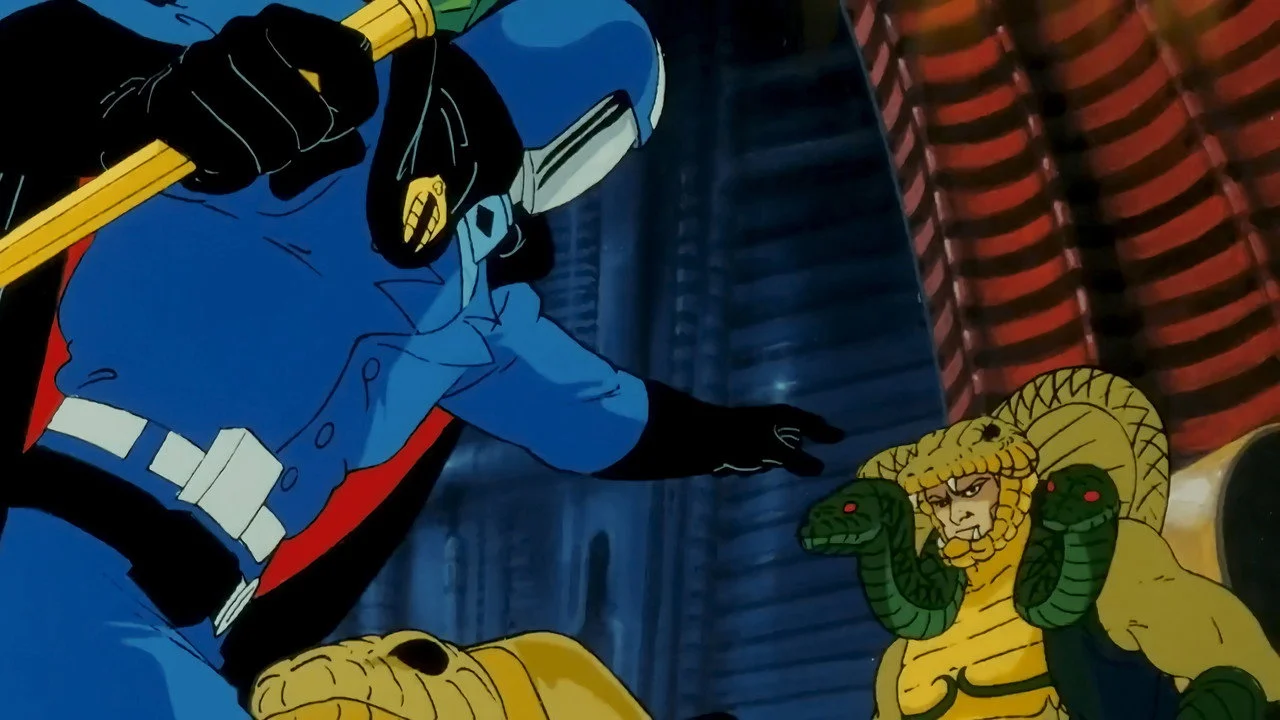
The single most notorious image in the film, and arguably in all of 1980s Joe, is the fate of Cobra Commander. Punished by Golobulus for his repeated failures, the Commander is exposed to Cobra-La's mutagenic spores and slowly devolves into a literal snake, hissing his disbelief: 'I was once a man! A man!'

Voiced by Chris Latta, the same actor behind Starscream in Transformers, the snake-Commander became the film's most-quoted and most-memed moment, an image so strange that some fans assumed the description was a joke. It has outlived everything else in the movie: Hasbro built a 2024 San Diego Comic-Con Classified Series figure, 'Cobra Commander (Once a Man),' entirely around the transformation. It remains the perfect emblem of a film that went stranger and darker than anyone expected a toy commercial to go.

07

A Star-Studded Voice Cast

G.I. Joe: The Movie still

Like the Transformers movie before it, which lured Orson Welles, Leonard Nimoy and Eric Idle into a toy commercial, G.I. Joe: The Movie reached for marquee names. Burgess Meredith, the veteran of Rocky and the Penguin from Batman, voiced Golobulus with relish, his old-time-radio gravitas giving the snake-bodied villain genuine menace. Don Johnson, then at the absolute peak of his Miami Vice fame, voiced the new hero Lt. Falcon.

Sgt. Slaughter, the real professional wrestler already merchandised as a G.I. Joe figure, voiced his own cartoon counterpart and his squad of reformed villains, the Renegades. Around the stars worked the deep Sunbow ensemble: Chris Latta as Cobra Commander, Dick Gautier as Serpentor, Jennifer Darling as Pythona, Peter Cullen as Nemesis Enforcer, Michael Bell as Duke, and a roster of dozens. The golden-age radio narrator Jackson Beck framed the whole thing.

08

Animated in Japan, Darker Than the Show

Animated by Toei in Japan, the film is visibly a step up from the television series, and it pushes a notably darker, more violent tone. The Statue of Liberty opening, the Joes and Cobra clashing across Lady Liberty as the full theme plays, is routinely cited as a high point of Sunbow-era animation. The action throughout is more ambitious and bloodier-feeling than the show, from Serpentor slap-torturing Falcon for information to Tunnel Rat blasting his way out of a Cobra-La creature.

The film also carries the fingerprints of its rushed, downgraded production. Retrospectives note recycled music cues lifted from the Transformers series, sound effects borrowed from Star Wars, and uneven dubbing. Because the team initially believed they were making a theatrical PG release, a Zarana costume-change scene was storyboarded with more risque content before being cut. It is a film caught between its theatrical ambitions and its straight-to-video reality.

09

The Sound of Joe

The film's musical signature is its theme. The unforgettable 'G.I. Joe is there! A Real American Hero!' main title, credited to Ford Kinder and Spencer Michlin and grown out of the Sunbow toy-commercial jingle work, is re-recorded here in a fuller, more bombastic form and unleashed over the Statue of Liberty opening, the single most memorable music moment in the movie.

The underscore is credited to Robert J. Walsh and Jon Douglas, the same team behind the Sunbow G.I. Joe and Transformers scores, and leans heavily on the existing library of series cues rather than an all-new composition. The result is pure 1987: synth-and-orchestra action music wrapped around one of the most enduring cartoon themes ever written.

10

A Quiet Release, A Lasting Cult

For a film made with theatrical ambitions, the release was a whimper. It went to VHS and syndication, found its audience slowly on tape and television, and faded as the Sunbow era ended. Hasbro dropped Sunbow as a cost-cutting move and handed the 1989 revival series to DiC, a shift fans widely regard as the start of the franchise's animation decline. No comparable animated G.I. Joe feature would follow for over three decades.

Time has been kind to it. The 2010 Shout Factory restoration, complete with Buzz Dixon's commentary and a printable copy of the original screenplay, reintroduced it to a generation that grew up on it, and it now sits as a nostalgic cult favorite, around 7.0 on IMDb, praised for its ambition, its darker edge and its animation even by those who roll their eyes at Cobra-La. The consensus, as one retrospective put it, is that the film 'stands on its own, but doesn't sync up with the rest of the franchise.'

11

Legacy

G.I. Joe: The Movie still

G.I. Joe: The Movie is the strange, ambitious full stop on the original animated era, the last time the Sunbow Joes rode into battle on the big-canvas scale of a feature. Its boldest choices, the Cobra-La reveal and the snake-Commander, were swiftly disowned: the 1989 DiC series quietly restored Cobra Commander to human form and never mentioned Cobra-La again, and later comics and continuities treated the whole episode as a dead end.

Yet it endures precisely because of those swings. The Duke coma became a legendary piece of animation lore, a famous example of a death softened in the dub. The film's twin, The Transformers: The Movie, shares its DNA almost exactly: paired Hasbro productions, both bumped by box-office caution, both writing out their lead to refresh the toy line. And the franchise never quite escaped it, the live-action Retaliation in 2013 finally went through with actually killing Duke, as if making up for the cop-out a quarter-century later. Flawed, divisive and utterly singular, it remains the most beloved and most argued-over chapter of classic G.I. Joe.

12

Trailers & Clips

Official footage plays from YouTube in privacy-enhanced mode.

13

Did You Know

  • Duke was originally written to die, run through by Serpentor's snake-spear, with a funeral scene scripted before the final battle.
  • Duke's death is credited with inspiring Optimus Prime's death in the Transformers movie, but Transformers released first and absorbed the backlash.
  • The fix was a redub, not a re-animation: the death visuals were kept and only the dialogue was changed to say Duke fell into a coma.
  • Buzz Dixon: 'If you watch the visuals and don't listen to the soundtrack, it's obvious Duke dies.'
  • 'Cobra-La' was a placeholder name riffing on Shangri-La from Lost Horizon; Hasbro loved it and made the writers keep it.
  • Cobra Commander is mutated into a literal snake, hissing 'I was once a man! A man!' (voiced by Chris Latta, also Starscream).
  • Hasbro built a 2024 SDCC Classified Series figure, 'Cobra Commander (Once a Man),' around the snake transformation.
  • Burgess Meredith (Rocky, Batman's Penguin) voiced Golobulus; Don Johnson, at his Miami Vice peak, voiced Lt. Falcon.
  • It was meant to be Hasbro's third theatrical feature after My Little Pony and Transformers, but was bumped direct-to-video.
  • Animated by Toei in Japan; the Statue of Liberty opening is cited as a high point of Sunbow-era animation.
  • The score recycles cues from the Transformers series and borrows sound effects from Star Wars.
  • The 1989 DiC series restored Cobra Commander to human form and never mentioned Cobra-La again.
14

Gallery

15

Quick Facts

Released
August 25, 1987
Format
ANIMATED
Director
Don Jurwich
Studio
Sunbow Productions / Marvel Productions / Toei Animation
Runtime
93 min
Starring
Burgess Meredith, Don Johnson, Sgt. Slaughter, Chris Latta, Michael Bell, Dick Gautier, Jennifer Darling, Peter Cullen
Box office
Direct-to-video (US)
Awards
Last animated G.I. Joe feature for over three decades

Sources: Wikipedia; Buzz Dixon (Shout Factory commentary / JoeHeadquarters interview); ScreenRant; ComingSoon; Behind The Voice Actors; Cartoon Brew; TV Tropes; Joepedia; IMDb.