LIVE-ACTION · 2009
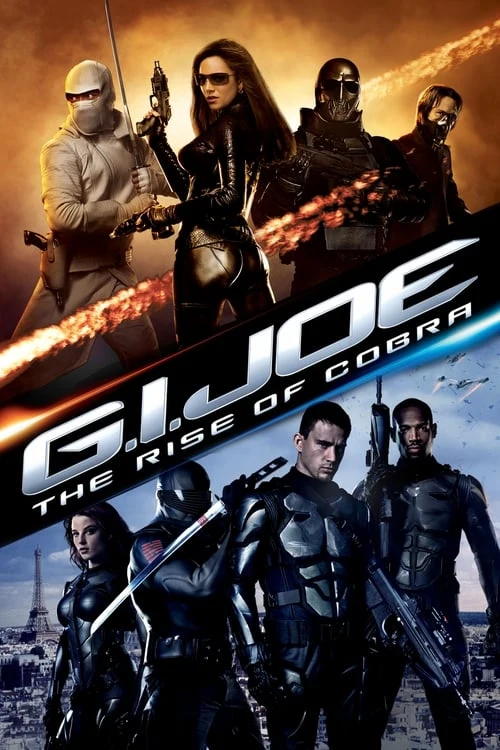
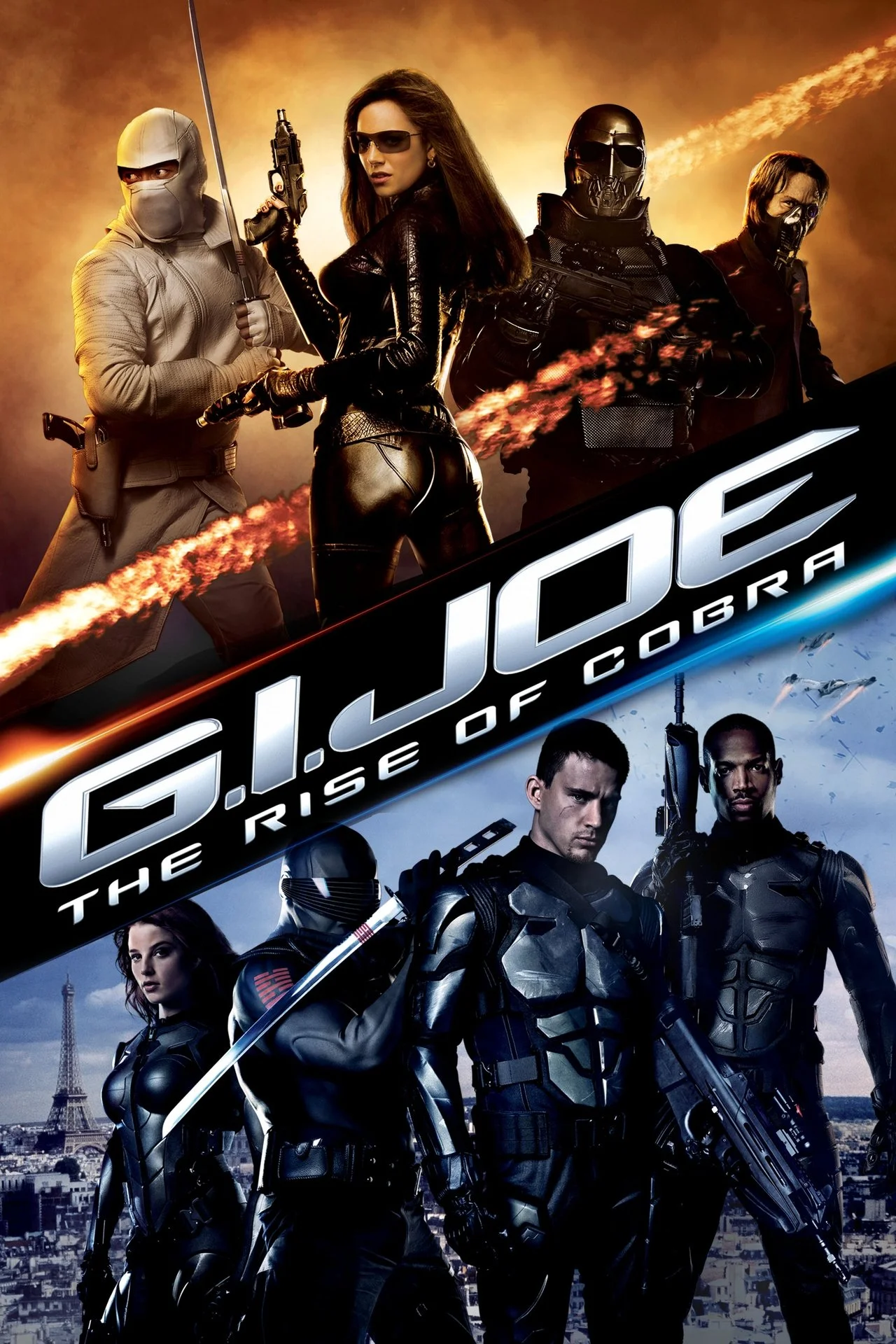
G.I. Joe: The Rise of Cobra
When all else fails, they don't.
- DirectorStephen Sommers
- ReleasedAugust 7, 2009
- Runtime118 min
- Box office$302.5M worldwide
The Film
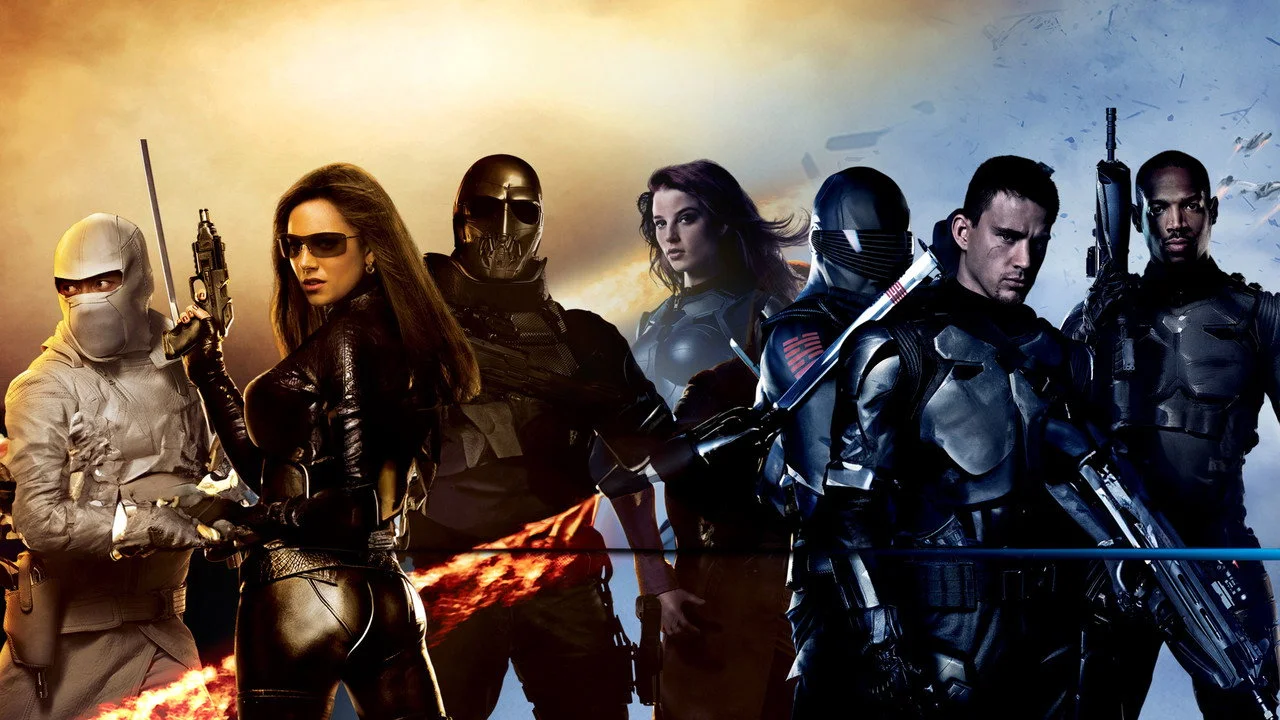
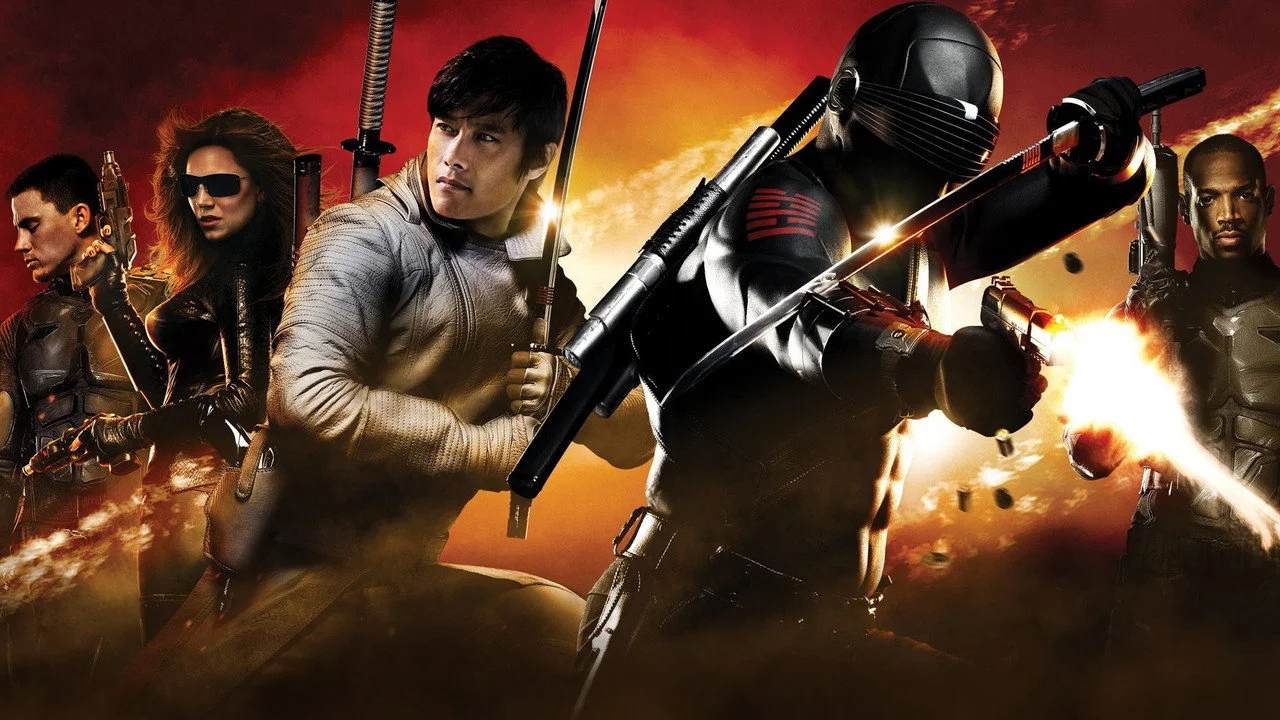
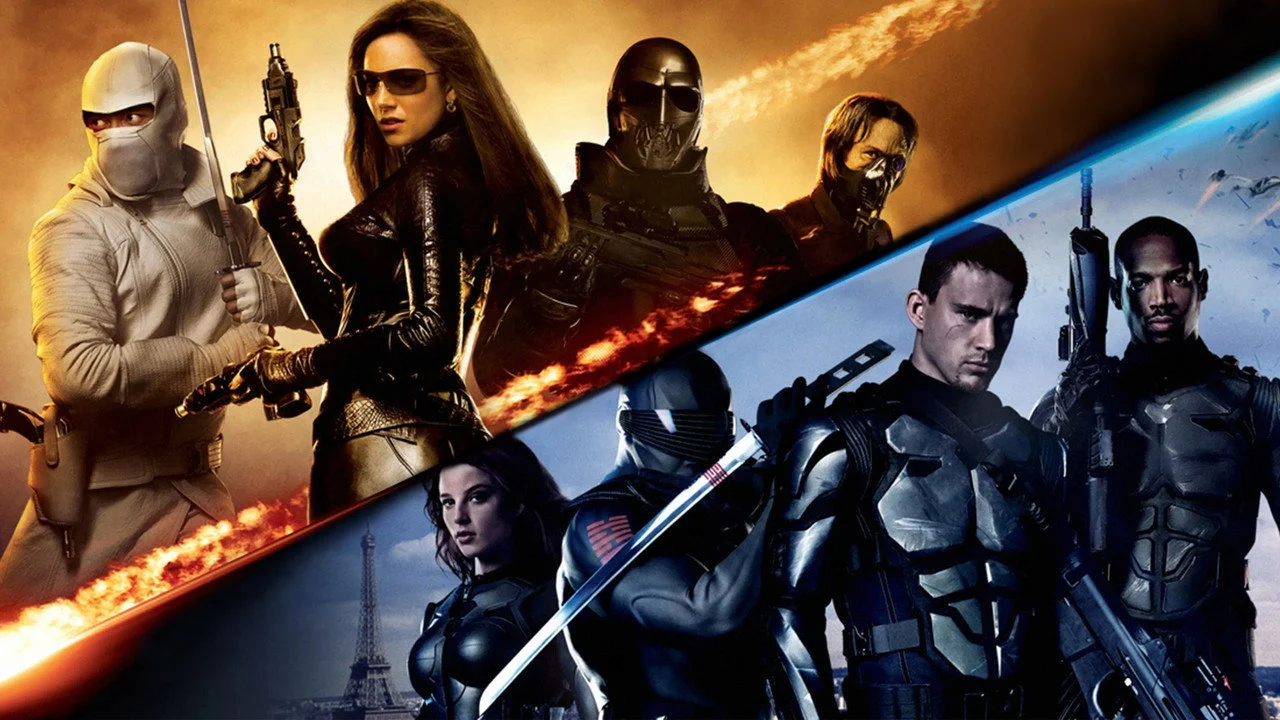
The live-action debut of the Joes turned Hasbro's toy line into a glossy, gadget-stuffed blockbuster of accelerator suits and nanomite warheads. Critics savaged it and Paramount hid it from them, but audiences turned out, the film cleared 300 million dollars, and a movie franchise was born.
The Story

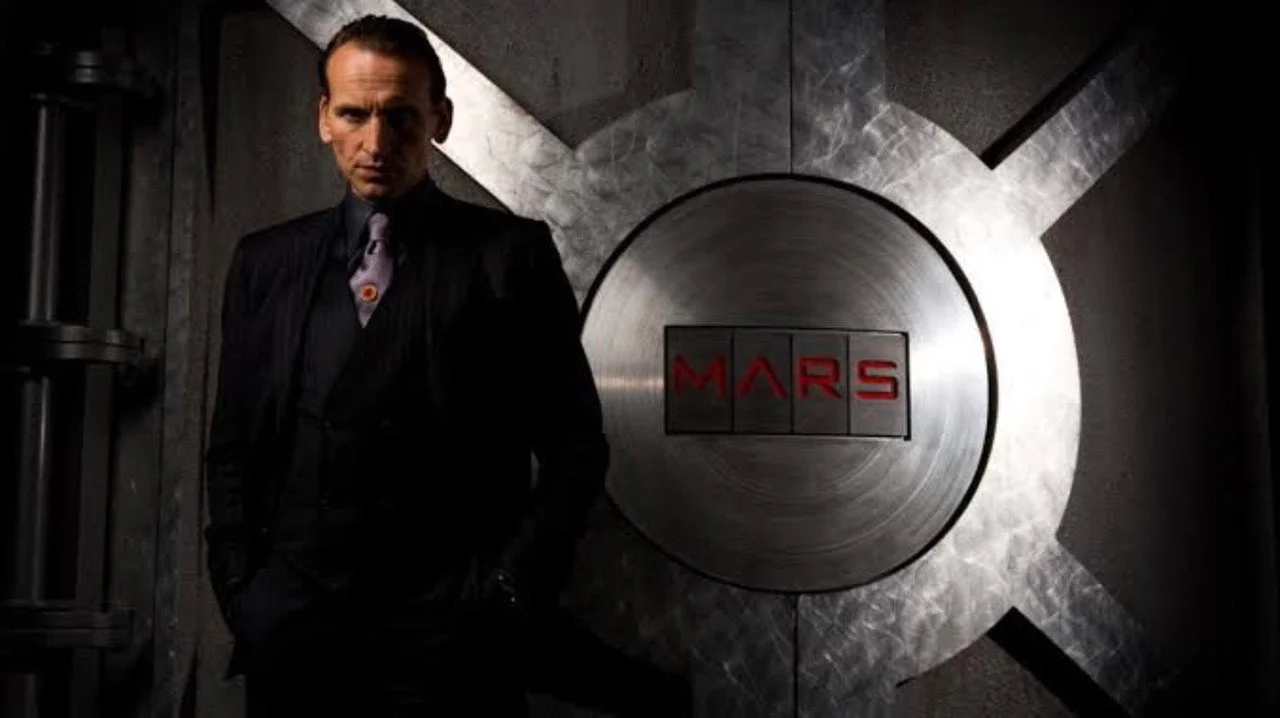
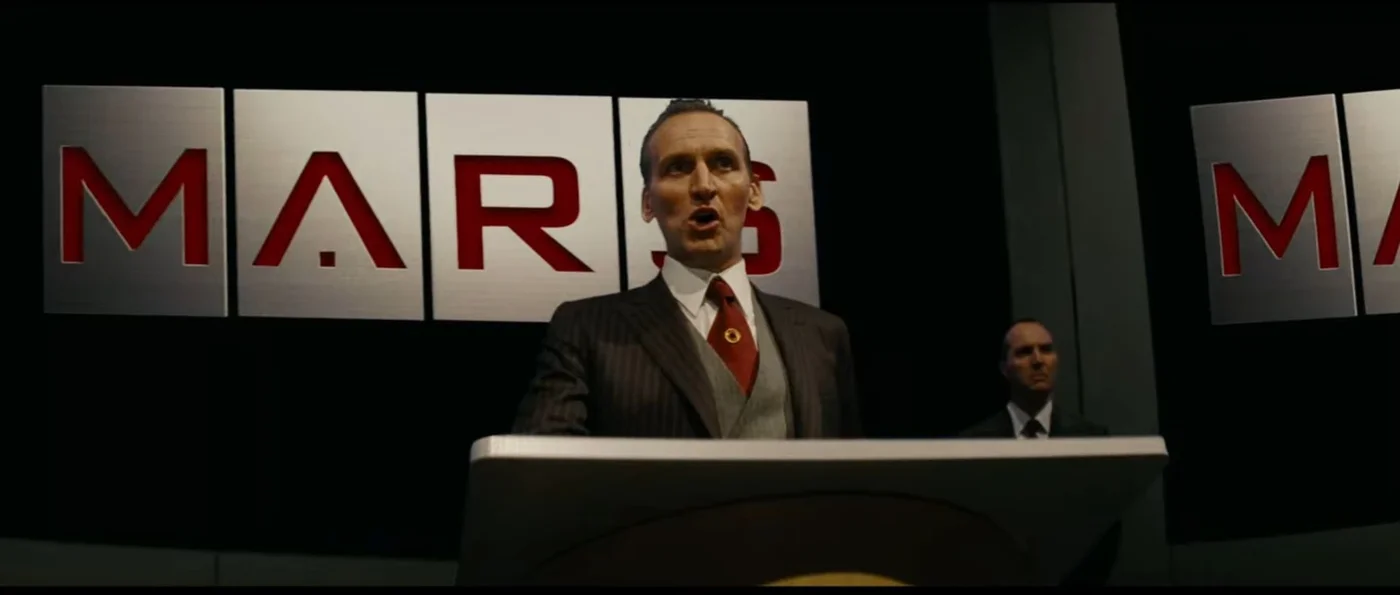
In 1641, the Scottish arms dealer James McCullen is caught selling weapons to both the French crown and its enemies. As punishment, a red-hot iron mask is welded onto his face and his bloodline is condemned to wear it, branding the family Destro. Centuries later his descendant runs MARS Industries and has built a nanomite warhead, nanobots that devour any non-organic matter and can consume a city in minutes.
When MARS sells four warheads to NATO, soldiers Duke and Ripcord are assigned to escort them, only for the convoy to be ambushed by Cobra forces led by the Baroness, whom Duke recognizes as his ex-fiancee Ana Lewis. Rescued by the Joes, the pair are inducted into the team at the Pit, the unit's base beneath the Egyptian desert.
From a chase through Paris in powered accelerator suits to a climactic assault on a base under the polar ice, the film races to its real subject: the birth of Cobra itself, as McCullen becomes Destro and a disfigured scientist named Rex Lewis rises as Cobra Commander.
Cast and Characters
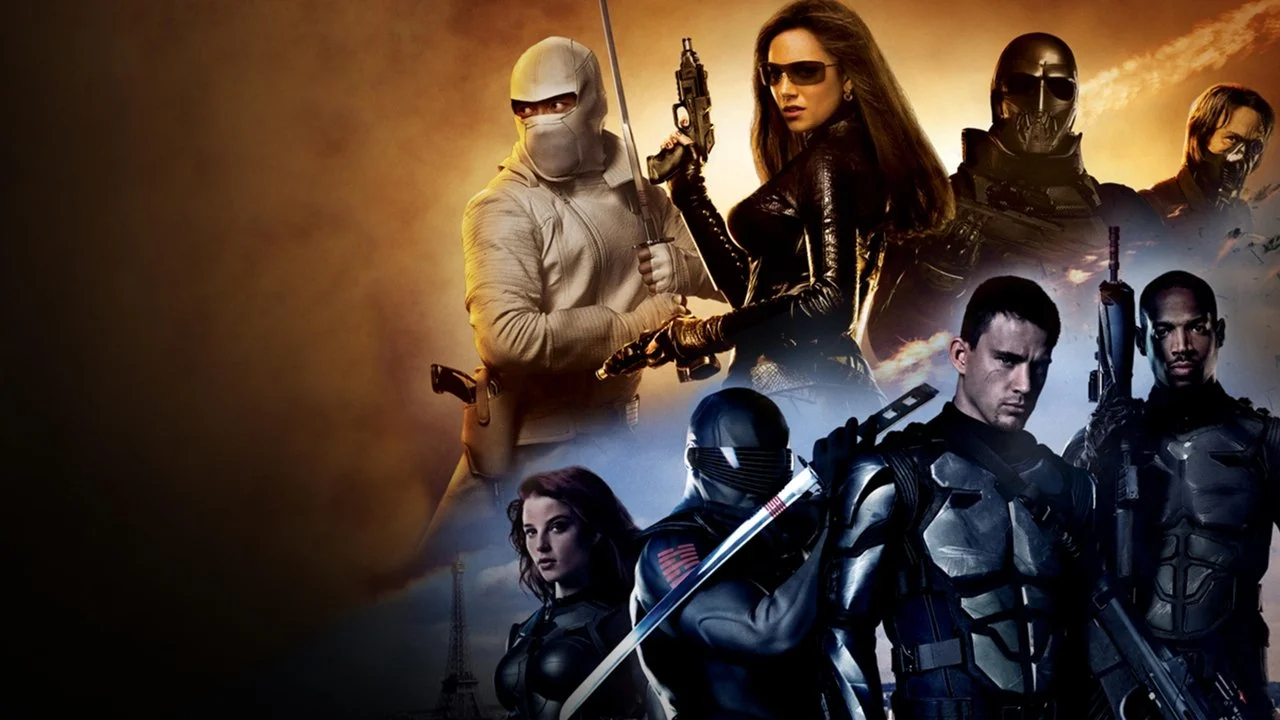
G.I. Joe


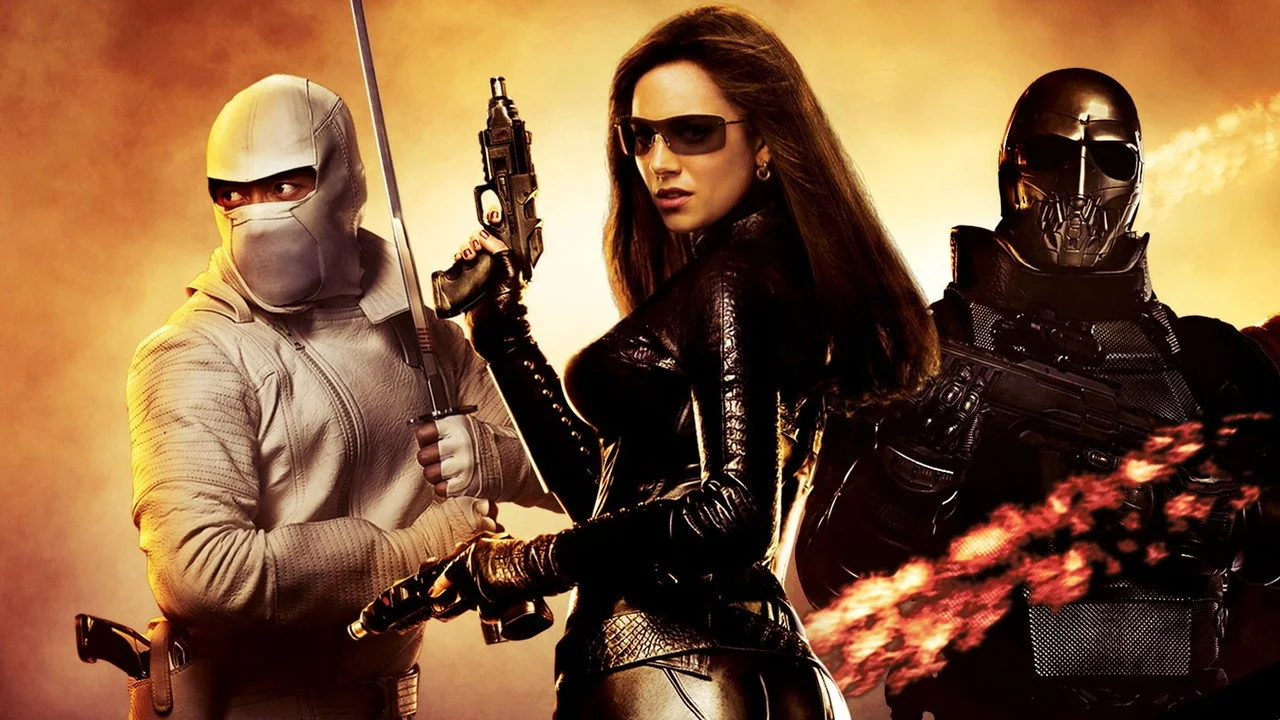
Cobra
From Toy Aisle to Tentpole
Development began in 2003 when producer Lorenzo di Bonaventura, hunting for a film about advanced military technology, took a call from Hasbro's Brian Goldner suggesting the G.I. Joe toy line. Producer Don Murphy had been circling the property first, but when the Iraq War broke out he judged a G.I. Joe movie ill-timed and steered toward Transformers instead.
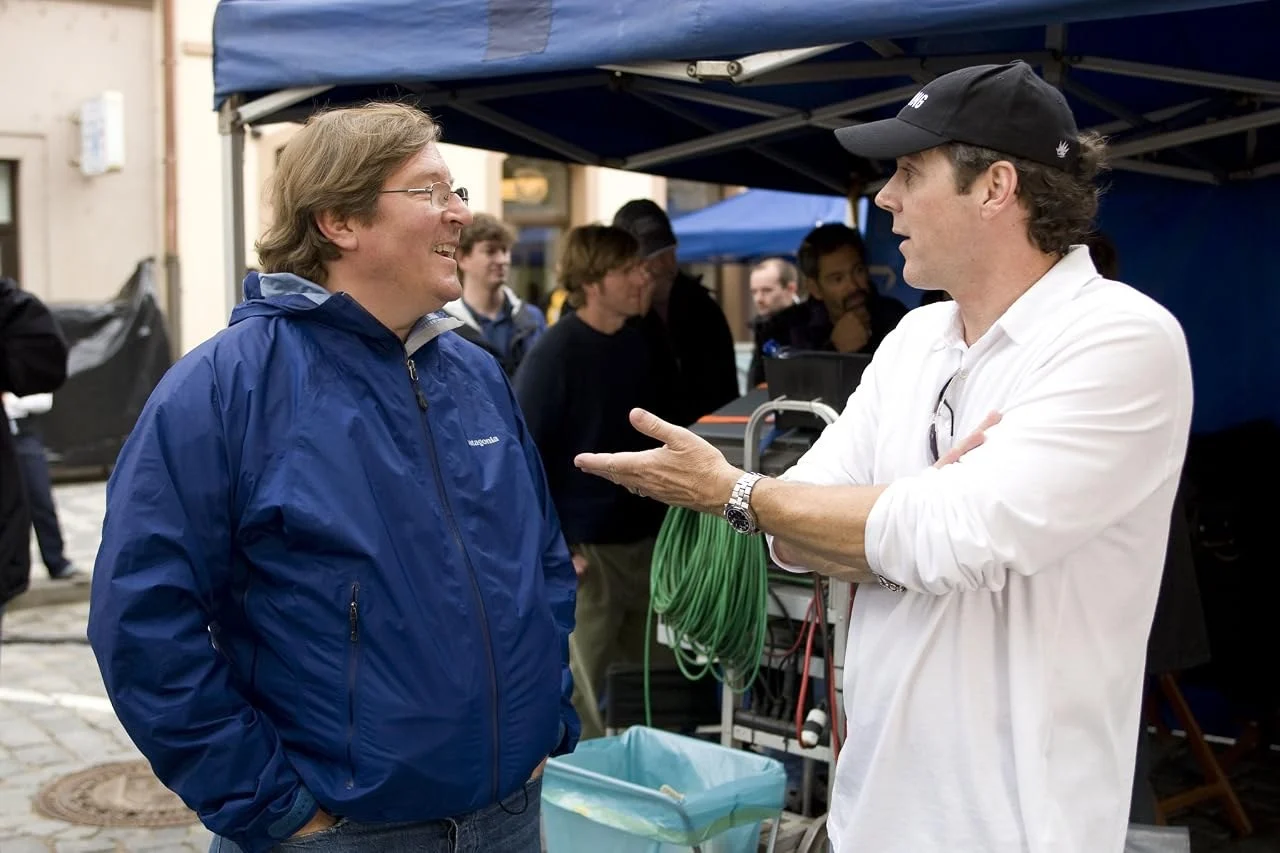
The script churned through several hands. Michael B. Gordon wrote an early draft, Paul Lovett and David Elliot mutated a new character named Rex into Cobra Commander, and Skip Woods produced a much-altered version that leaked online and drew fan anger for sidelining Cobra. In August 2007 Paramount hired Stephen Sommers, brought in Stuart Beattie to write a fresh script, and signed G.I. Joe comics architect Larry Hama as creative consultant to pull it back toward the source.
The Global Integrated Joint Operating Entity
The most contentious creative decision was recasting G.I. Joe from an American unit into a Brussels-based multinational force whose name now stood for Global Integrated Joint Operating Entity. The change was a direct response to the era's geopolitics. Di Bonaventura framed it bluntly, saying the climate made an American-branded G.I. Joe a hard global sell, and the European marketing leaned on the team being international operatives rather than American soldiers.
Fans revolted, and Hasbro publicly reassured them it was not changing the brand, insisting the name still stood for bravery and heroism and that the film was a modern telling of G.I. Joe versus Cobra, run out of the Pit just as in the 1980s comics.

Our president has put us in a position internationally where it would be very difficult to release a movie called G.I. Joe.
Stephen Sommers and the Mummy Gloss
Fresh off The Mummy films and Van Helsing, Sommers brought a maximalist, effects-forward sensibility with little interest in restraint. The film piles on powered exo-suits, swarming nanotech, underwater fortresses and globe-trotting set pieces, treating the toy line's sprawl as a feature rather than a problem.
The result is an origin story that tries to introduce the Joes, the rise of Cobra and the central rivalries all at once, a density that thrilled longtime fans even as it bewildered newcomers.
Casting the Toy Box

Di Bonaventura had wanted Mark Wahlberg for Duke; the role went to Channing Tatum, who later said he turned it down seven times and ultimately made the film to satisfy a multi-picture Paramount deal. Sienna Miller played the Baroness, Dennis Quaid took General Hawk, and Rachel Nichols played Scarlett.
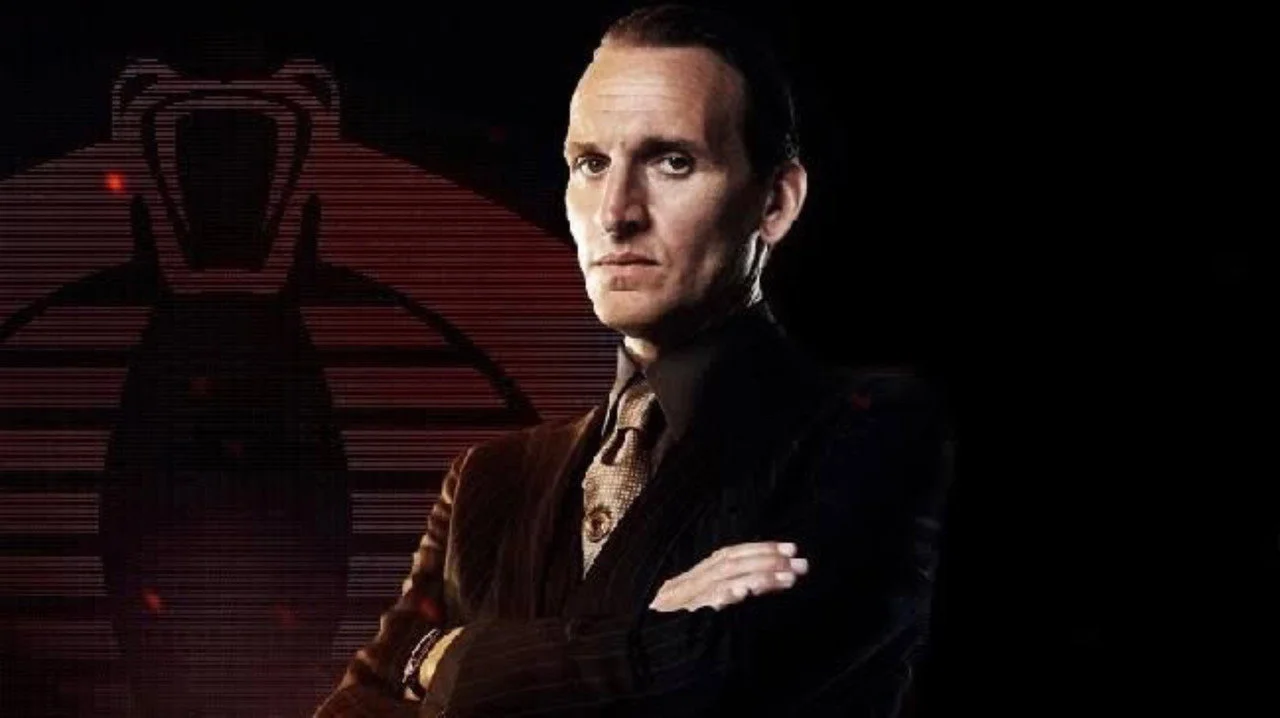
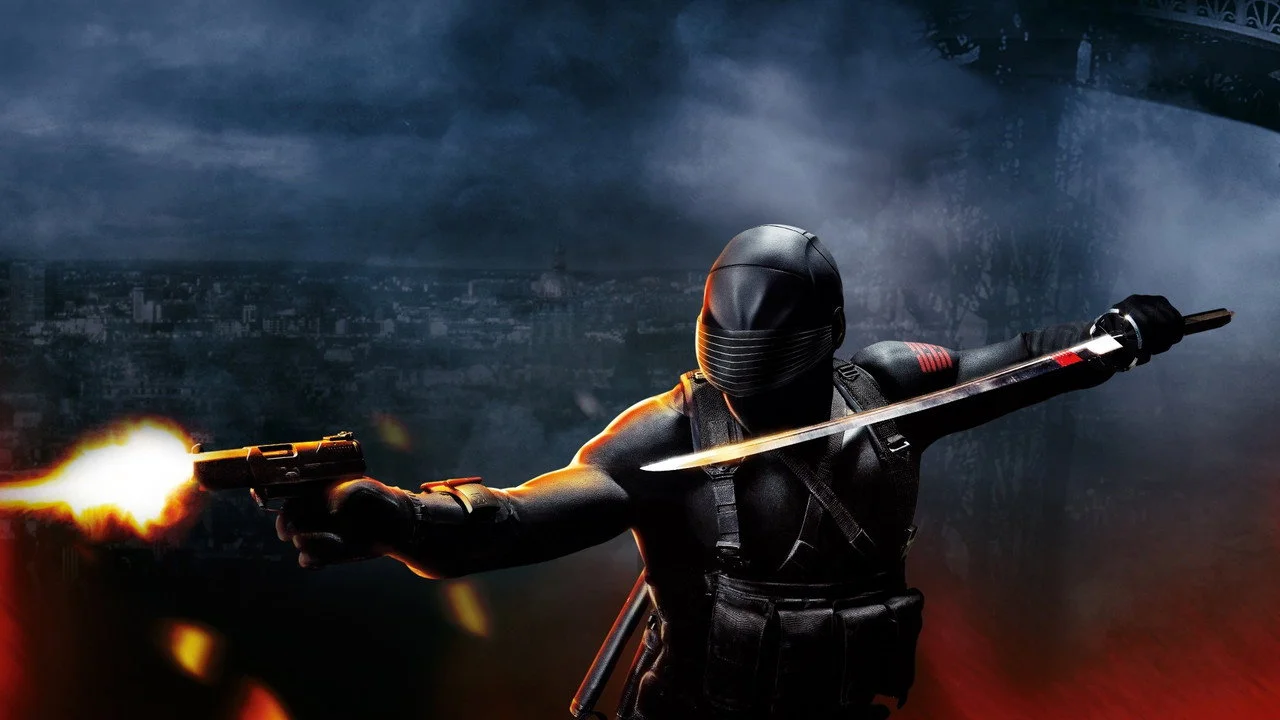
Joseph Gordon-Levitt played the disfigured Rex Lewis across three identities, the Doctor and ultimately Cobra Commander, even voicing the character with a nod to the 1980s cartoon. Ray Park, the body behind Darth Maul, played Snake Eyes as a wordless ninja after Hama persuaded the team to drop a planned scene of him speaking. Christopher Eccleston stepped into Destro after original choice David Murray dropped out over a visa issue; Murray was kept on as the masked McCullen ancestor in the 1641 flashback.
The Cobra Commander Mask Problem
Cobra Commander's iconic comic hood never made the screen. The crew found the classic design too reminiscent of Ku Klux Klan imagery and deliberately redesigned it, putting Gordon-Levitt in prosthetic makeup beneath a very different breathing mask. The choice frustrated purists but reflected a recurring tension in the film, modernizing instantly recognizable toy and comic designs for a live-action audience.
Building the Pit and the Arctic Base
Principal photography began in February 2008 in Los Angeles, where a Downey soundstage housed the first levels of the Pit, Destro's Arctic MARS base, an ex-Soviet weapons factory and submarine interiors. The production then moved to Prague's Barrandov Studios for roughly a month, taking over parts of the Old Town, with second-unit work in Paris, Egypt, Tokyo, the Arctic and underwater.
Because so much of the hardware was fictional, US military cooperation was limited. The filmmakers were initially denied access to MRAP armored vehicles, then later allowed to film them at Fort Irwin's National Training Center.
Accelerator Suits and the Paris Chase

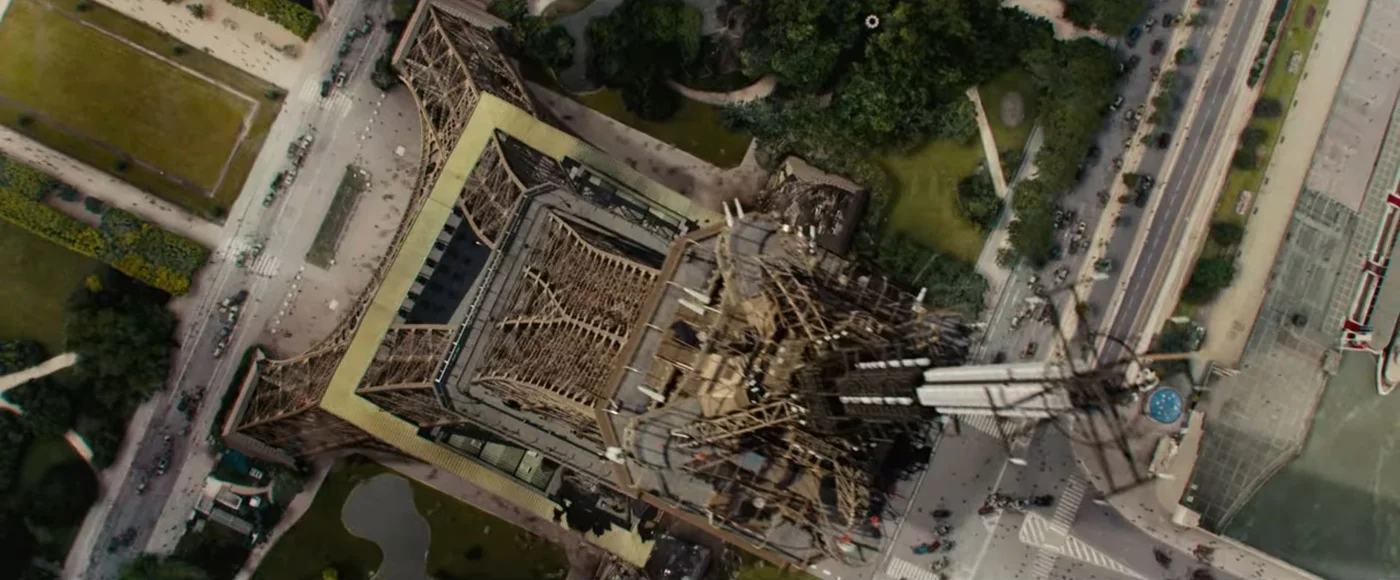
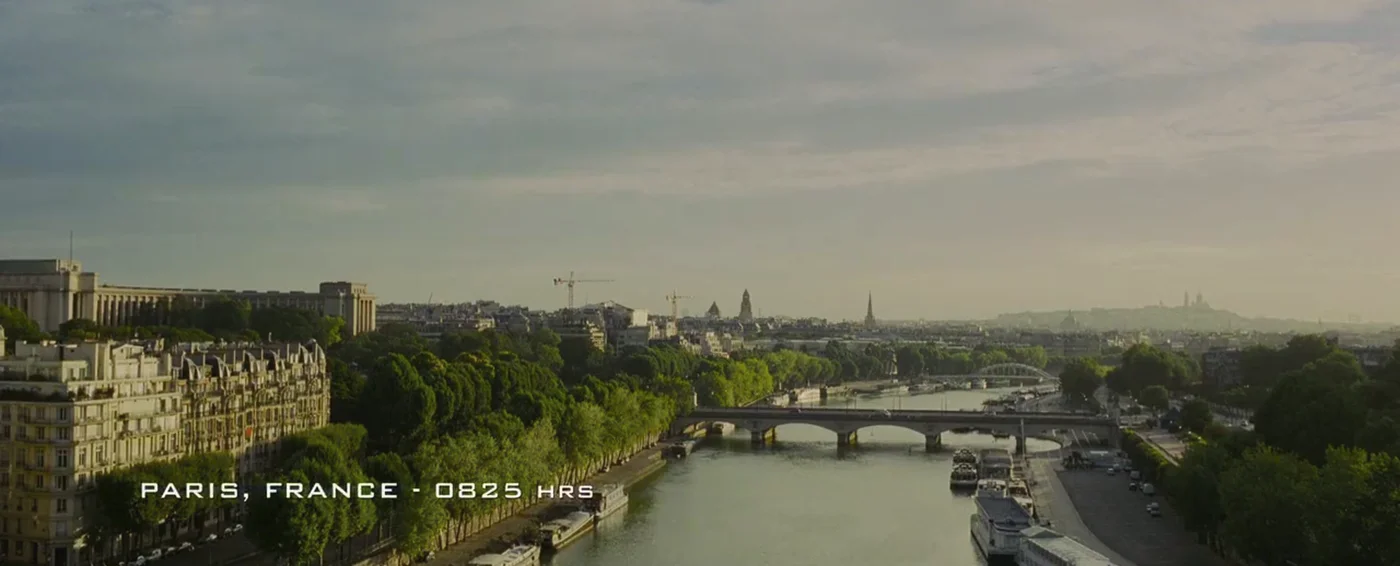
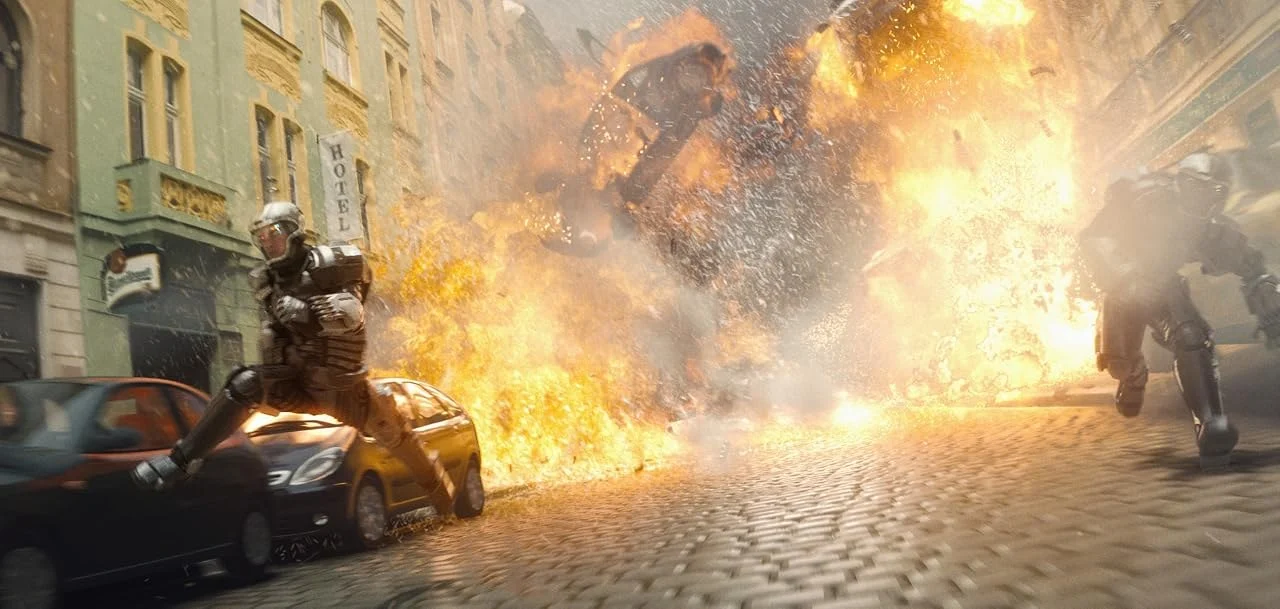
The film's signature sequence sends Duke and Ripcord through Paris in Delta-Six accelerator suits, powered exoskeletons that let them smash through traffic and leap over obstacles while chasing a nanomite warhead. It ends with the weapon devouring the Eiffel Tower, the trailer-defining image that sold the movie's heightened, toy-commercial energy.
Sommers admitted the suits were bulky and hard on the actors and predicted their role would shrink in any sequel, which proved true. They remain the film at its most purely comic-book.
Beattie pitched it as a car chase where one guy is not even in a car.
Six Houses and a Crumbling Tower
Contrary to a common assumption, Industrial Light and Magic did not lead the effects. Six houses split the work, with Digital Domain in front on roughly 320 shots including the Paris chase, the opening convoy ambush and the Eiffel Tower collapse. The Moving Picture Company handled the underwater climax, building a full 3D polar base, ships and attack subs across some 176 shots.
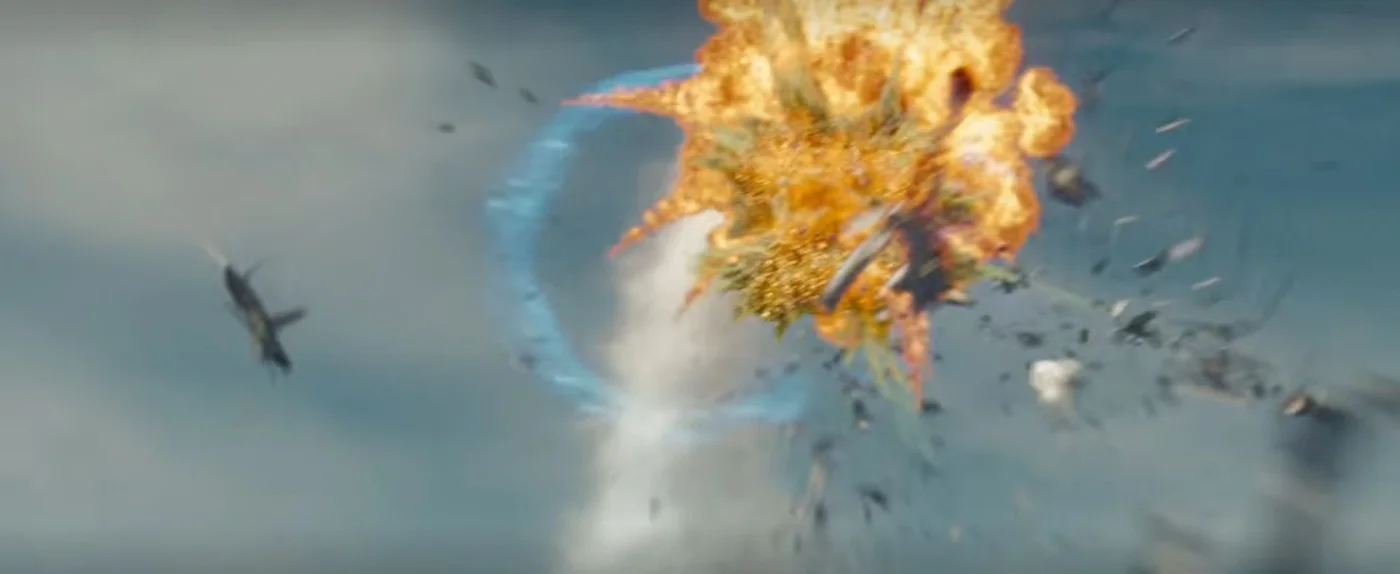
The Eiffel Tower destruction needed custom software to simulate the crumbling metal. The digital tower was rebuilt from the original plans and grew so complex it could not fit in a single computer file, with the green nanomites and debris driven by a particle system.
Holding It Back From the Critics
In an unusual move for a summer tentpole, Paramount declined to screen the film for print and broadcast critics, focusing instead on internet reviewers. Paramount vice chairman Rob Moore explained it as a deliberate strategy, citing the gulf between critics and audiences on Transformers: Revenge of the Fallen and saying the studio wanted audiences, not reviewers, to define the movie.
The press framed it as a studio bracing for a critical drubbing, and the term critic-proof followed the film into release.
We chose to forgo opening-day reviews as a strategy. We want audiences to define this film.
What the Critics Said

The reviews justified the caution. The film holds a 33 percent on Rotten Tomatoes from 166 reviews and a 32 on Metacritic, with critics hammering the silly writing, incoherent action and uneven CGI. Roger Ebert complained there was never a clear sense of where anything was in relation to anything else, and Peter Travers likened the Eiffel Tower effects to leftover Ghostbusters slime.
A minority enjoyed it as disposable spectacle, and the cast largely distanced themselves from it afterward. The film drew six Razzie nominations, with Sienna Miller named Worst Supporting Actress.
Audiences and the Box Office

The critic and audience split that Paramount banked on showed up in the numbers. Opening-day crowds gave it a B-plus CinemaScore, and it opened at number one with 54.7 million dollars on its way to 150.2 million domestic and 302.5 million worldwide against a 175 million budget.
Home video sealed the profit. The DVD debuted at number one with roughly 41 million dollars in its first week, moving millions of discs and turning a thin theatrical result into a clear win for Paramount and Hasbro.
Vehicles and Hardware
As a film built on a toy line, The Rise of Cobra is wall to wall with hardware. The Joes field the Delta-6 Accelerator Suits, the submersible S.H.A.R.C., the Rockslide A.T.A.V. and the Ice Sabre that Snake Eyes uses to down the first warhead. Cobra and MARS counter with the Night Raven prototype jet, the Mantis attack craft, a Mole Pod that burrows under the Pit, the Steel Crusher A.P.V. and a fleet of submarines for the polar climax.
The film mixes that fiction with real military steel. The US Army supplied an AH-64 Apache and crews for the opening ambush, and the production filmed MRAP armored vehicles at Fort Irwin after the Pentagon, which had prioritized them for combat deployment, initially turned the request down. The accelerator suits themselves carry triple heat-seeking rockets and a 10mm caseless Gatling gun rated at fifty rounds a second.
The Score
Stephen Sommers reunited with composer Alan Silvestri, who scored the film with a ninety-piece Hollywood Studio Symphony. Varese Sarabande released the soundtrack on August 4, 2009, twenty-one tracks running over seventy minutes, anchored by the seven-minute centerpiece Delivering the Warheads.
Reviewers found the synth-heavy first half thin but praised the orchestral surge of the second, from Who Are You onward, where Silvestri leans into full brass and the King Cobra theme. It is the rare element of the production that drew broad agreement as a strength.
The Video Game
Electronic Arts launched its first game under the newly won Hasbro license three days before the film, on August 4, 2009, developed by Double Helix Games. Crucially, the story is set after the movie rather than retelling it, a third-person co-op shooter with Commando, Heavy Weapons and Soldier classes and a Yo Joe power-up that triggers accelerator-suit invulnerability.
Joseph Gordon-Levitt was the only film actor to reprise his role, voicing Cobra Commander, and the game added deep-cut characters the movie left out, including Gung-Ho, Shipwreck and the newly created Agent Helix. Critics were unkind, with a Metacritic 44 and a one-star X-Play review calling it a new gold standard for lazy licensed cash-ins.
The Marketing Blitz
Paramount and Hasbro sold the film hard and strange. Hasbro scanned the actors for a 3.75-inch figure line that launched in July 2009, including the first ever Pit playset in franchise history, and dropped more than three hundred parachute-rigged G.I. Joe figures from the roof of a forty-two story Kansas City hotel at the annual fan convention.
Black helicopters marked G.I. Joe buzzed American beaches, tie-ins ran with Burger King, 7-Eleven and Norton, and a two-part viral short called The Invasion of Cobra Island spoofed Thunderbirds with vintage Hasbro vehicles and custom puppetry. The film even shot under the fake working title Dark Sky: First Strike to keep a lid on it.
Differences From the Source
Longtime fans met the film with suspicion, and the changes ran deep. G.I. Joe was reframed as a Brussels-based international force, the Global Integrated Joint Operating Entity, before Hasbro publicly walked the acronym back and confirmed the team would still be Pit-based. MARS, the Military Armaments Research Syndicate, was positioned as the proto-Cobra, binding Destro, Cobra Commander and the Baroness together through the invented Lewis-sibling backstory.
The Baroness was the lightning rod, recast from an Eastern European noble into Duke's brainwashed ex-girlfriend. An early Skip Woods draft had gone further still, nearly dropping the Cobra organization altogether in favor of a crooked CIA agent and an Action Man character married to Scarlett. Producer Lorenzo di Bonaventura framed the reinvention as moving from the 1989 Batman to Batman Begins.
Easter Eggs and References
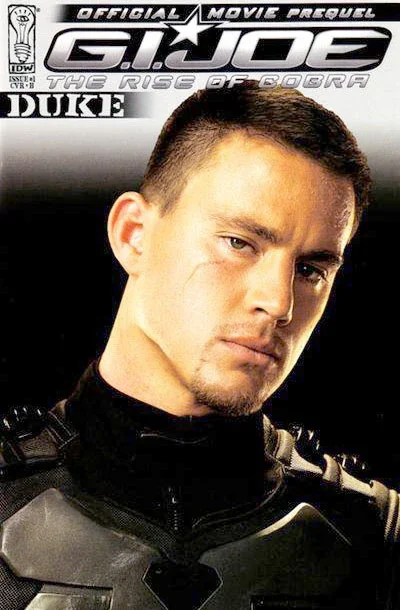
For all its liberties, the film is studded with deep-cut nods. Duke's facial scar honors the original 1964 twelve-inch figure, where the scar was a copyright mark against bootlegs. The Eiffel Tower's destruction echoes the very first Real American Hero cartoon episode, in which Cobra makes the tower vanish, and the Neo-Viper nanomite injections leave a scar shaped like the classic Cobra sigil.
The closing aircraft carrier is the U.S.S. Flagg, hull number ninety-nine, matching the toy and comic. The Delta-6 suits nod to Sigma 6, whose logo appears in the end credits, and the pulse cannon firing on the submarine reuses the program de-resolution sound from Tron. Larry Hama, who wrote most of the original filecards, appears as a NATO general in the briefing scene.
Legacy
The Rise of Cobra proved the brand could open a global tentpole and established the visual language of the live-action Joes, the accelerator suits, the ninja duels and Cobra's rise. Its mixed reception, though, triggered a hard reset.
Jon M. Chu's 2013 sequel Retaliation killed Duke off in its opening act, brought in Dwayne Johnson's Roadblock, recast Cobra Commander and sidelined Destro, keeping only Ray Park's Snake Eyes and Byung-hun Lee's Storm Shadow. A 2021 reboot, Snake Eyes, later restarted the continuity entirely. Through all of it, the 2009 film remains where the live-action Joes began.
Trailers & Clips
Official footage plays from YouTube in privacy-enhanced mode.
Did You Know
- Paramount refused to screen the film for print and broadcast critics, an unusual move for a summer tentpole.
- Channing Tatum said he turned down the role of Duke seven times and only did it to satisfy a Paramount contract.
- Ray Park, who played Darth Maul, performed Snake Eyes as a wordless ninja after Larry Hama vetoed a scene of him speaking.
- Cobra Commander's classic comic hood was redesigned because the crew found it too reminiscent of Ku Klux Klan imagery.
- Christopher Eccleston replaced David Murray as Destro after Murray dropped out over a visa issue; Murray played the 1641 McCullen ancestor.
- G.I. Joe was rebranded in the film as the Global Integrated Joint Operating Entity, an international force, drawing fan backlash.
- Larry Hama, who defined the Marvel G.I. Joe comic, served as the film's creative consultant.
- Digital Domain led the visual effects, not ILM; the Eiffel Tower was rebuilt digitally from original plans and was too complex to fit in one file.
- The Paris chase uses Delta-Six accelerator suits, powered exoskeletons that Sommers admitted were a burden on the actors.
- Joseph Gordon-Levitt voiced Cobra Commander with a nod to the character's 1980s cartoon voice.
- Brendan Fraser appears in an uncredited cameo as Sergeant Stone, his fourth collaboration with Sommers.
- Sienna Miller won the Worst Supporting Actress Razzie; the film earned six nominations in total.
- The film opened at number one with 54.7 million dollars and cleared 302.5 million worldwide against a 175 million budget.
- The ending sets up the sequel as Zartan, altered by nanomites, replaces the President of the United States.
- Larry Hama cameos as a NATO general and talked the team out of a scripted moment where Snake Eyes breaks his silence to mutter 'finally,' warning fans would hate it.
- Joseph Gordon-Levitt signed on the moment he saw the Cobra Commander concept art, reacting 'I'm going to wear THAT?'
- Dennis Quaid took General Hawk so his G.I. Joe-fan son could watch; the team liked him so much they wrote ten to fifteen extra scenes for him.
- David Murray, originally cast as Destro before a visa issue, still appears as the first Destro in the 1641 flashback.
- Brendan Fraser's Sergeant Stone was written as Gung-Ho, then renamed because Gung-Ho is Cajun and Fraser is not.
- Sienna Miller could not stop blinking when firing a gun, so the Baroness wears sunglasses in several scenes to hide it.
- Channing Tatum actually wanted to play Snake Eyes and was contractually forced into the Duke role under a three-picture deal.
- Rachel Nichols kept her red hair from Star Trek (2009) to play Scarlett.
- The video game was the only place a film actor, Joseph Gordon-Levitt, reprised a role, and it introduced the new character Agent Helix.
- The submarine pulse cannon reuses the program de-resolution sound effect from Tron (1982).
Gallery
Posters & Key Art
Behind the Scenes
By the Numbers
Memorable Quotes
You don't ask to be part of G.I. Joe. You get asked.
General Hawk
Knowing is half the battle.
General Hawk
James McCullen is no more. Now you are Destro. You will call me Commander.
The Doctor
They feel no fear. They feel no pain. They feel no regrets. No remorse.
The Doctor
So that I never forget the most important rule in dealing arms. Never get caught selling to both sides.
Destro
Nice shoes.
The Baroness
What did you say your unit was called? / I didn't.
Destro and General Hawk
Congratulations, Duke. You just saved Paris. Or at least most of it.
The Baroness
Cast & Crew
- Director
- Stephen Sommers
- Screenplay
- Stuart Beattie, David Elliot, Paul Lovett
- Story
- Michael B. Gordon, Stuart Beattie, Stephen Sommers
- Creative Consultant
- Larry Hama
- Producers
- Lorenzo di Bonaventura, Brian Goldner, Bob Ducsay
- Composer
- Alan Silvestri
- Cinematographer
- Mitchell Amundsen
- Editors
- Bob Ducsay, Jim May
- Production Designer
- Ed Verreaux
- Costume Designer
- Ellen Mirojnick
- Lead VFX
- Digital Domain (Boyd Shermis, Greg McMurry)
- Stunt Coordinator
- R.A. Rondell
Quick Facts
- Released
- August 7, 2009
- Format
- LIVE-ACTION
- Director
- Stephen Sommers
- Studio
- Paramount Pictures
- Runtime
- 118 min
- Starring
- Channing Tatum, Sienna Miller, Christopher Eccleston, Joseph Gordon-Levitt, Marlon Wayans, Rachel Nichols, Ray Park, Byung-hun Lee, Dennis Quaid
- Budget
- $175M
- Box office
- $302.5M worldwide
- Awards
- 6 Razzie noms (Sienna Miller won Worst Supporting Actress)
- In the series
- Film 1 of the live-action G.I. Joe series, and the first live-action G.I. Joe film ever made.
- Followed by
- G.I. Joe: Retaliation (2013)
- Rebooted by
- Snake Eyes: G.I. Joe Origins (2021)
- Runtime
- 118 min
- Aspect ratio
- 2.39 : 1
- Sound mix
- SDDS, Dolby Digital, DTS
- Cameras
- Arriflex 235 / 435, Panavision Panaflex, Red One
- Format
- 35mm + Redcode RAW, 2K DI
- Rating
- PG-13 (strong action violence and mayhem)
- Language
- English
- Country
- United States
Sources: Wikipedia; Box Office Mojo; The Numbers; Rotten Tomatoes; Metacritic; fxguide; Digital Domain; Joepedia (G.I. Joe Fandom).